Sostenus Wilherm
The nomination of Namibia’s deputy chief justice Petrus Damaseb to serve on a Tanzanian Presidential Commission of Inquiry has sparked fierce criticism from opposition parties, with the Affirmative Repositioning (AR) movement and the Independent Patriots for Change (IPC) accusing the Namibian government of compromising the country’s judicial independence.
AR on Thursday described the nomination as a “political act of complicity” rather than judicial cooperation, arguing that Namibia’s judiciary should not be used to legitimize Tanzania’s handling of the violence that followed its October 2025 general elections.
The Judicial Service Commission (JSC) announced on Wednesday that chief justice Peter Shivute had nominated Damaseb following a request from the Tanzanian government for a serving or retired Namibian judge to serve on the commission investigating the root causes of the post-election violence.
However, AR activist-in-chief Job Amupanda questioned how the request was initiated, arguing that it originated at a political level rather than through judicial channels.
“This confirms that the discussions occurred at the political level, and the Tanzanian judiciary appears to have been bypassed entirely. This is a shocking state of affairs that must be understood in its proper context: a political deal facilitated by judicial rubber-stamping,” Amupanda said.
AR argued that assigning a sitting deputy chief justice to the commission risks undermining the perceived independence of Namibia’s judiciary and lending credibility to what it described as a politically compromised process.
“The appointment of Namibia’s deputy chief justice to Tanzania’s controversial Presidential Commission of Inquiry represents a calculated attempt to use Namibian judicial credibility to launder the reputation of a murderous authoritarian regime,” Amupanda said.
The movement demanded that the Judicial Service Commission publicly explain the legal and ethical basis for approving the nomination and called on Damaseb to decline the appointment.
“We demand that deputy chief justice and judge president Petrus Damaseb formally decline the nomination and recuse himself from this flawed commission to salvage his legacy and the integrity of the Namibian Judiciary,” Amupanda said.
Meanwhile, IPC shadow minister of international relations and trade Rodney Cloete also questioned the appointment, arguing that Namibia had failed to publicly address concerns over Tanzania’s democratic and human rights record following President Netumbo Nandi-Ndaitwah’s state visit to the country in June.
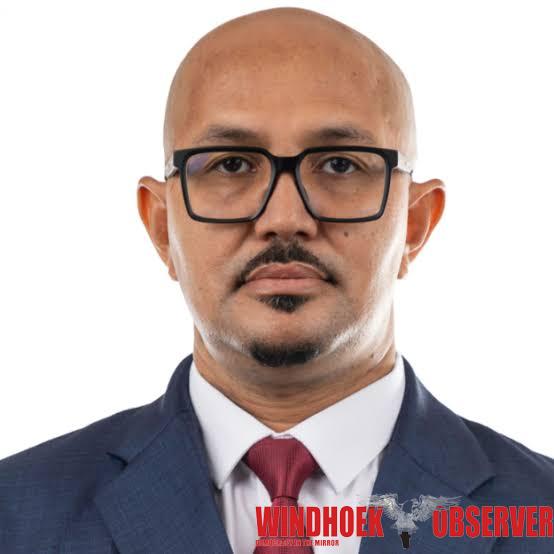
Cloete said nominating a judge did not amount to meaningful engagement on the political crisis in Tanzania.
“Sending a judge is not the same thing as speaking,” he said.
He further questioned the process surrounding the commission, noting that, according to the Office of the Judiciary, members would first be sworn in before receiving the commission’s terms of reference.
“The mandate is written after the judge has agreed to serve. Namibia’s second most senior judicial officer has been committed to an inquiry whose questions do not yet exist on paper,” Cloete said.
He argued that Namibia risks lending credibility to an inquiry without first establishing whether it has sufficient powers to independently investigate the actions of Tanzanian security forces or adequately protect witnesses.
“We are supplying credibility. We have not established that there is anything to lend it to,” Cloete said.
Despite the criticism, Cloete stressed that neither he nor the IPC questioned Damaseb’s professional integrity.
“Justice Damaseb’s competence and integrity are not in question… He is one of the finest jurists this country has produced, and that is precisely the difficulty. A commission borrows the standing of the judges who sit on it,” he said.
The Office of the Judiciary has maintained that Damaseb was nominated after consultations between chief justice Peter Shivute and the Judicial Service Commission, which supported the nomination because of his extensive judicial and administrative experience.
According to the judiciary, arrangements will be made to ensure that the work of the Supreme Court and High Court continues uninterrupted while Damaseb serves on the commission.
The commission is expected to investigate the root causes of the violence that followed Tanzania’s 29 October 2025 general elections, with members to be sworn in on a date yet to be announced by the Tanzanian government.