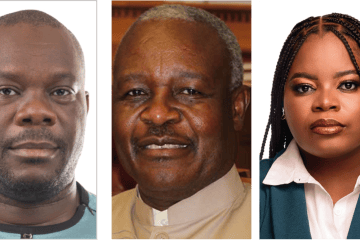
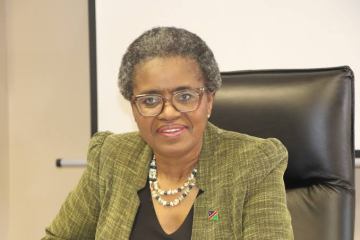
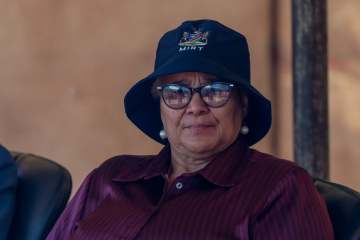
Allexer Namundjembo
Community activists say the government must repair collapsing water and sewer networks in underserved neighbourhoods before rolling out prepaid meters.
The call comes after the minister of urban and rural development, James Sankwasa told Parliament last week that the ministry conducted two assessments of municipal infrastructure and finances between 2021 and 2023.
Responding to questions by Dawid Eighub of the Landless People’s Movement, Sankwasa said the first assessment was done during the 2021/2022 financial year, while a second review ran from July to August 2023 in collaboration with the ministries of agriculture, water and land reform; industries, mines and energy and finance, as well as NamPower, NamWater, and the Electricity Control Board.
He admitted bulk infrastructure, especially sewer reticulation, is aging under population pressure and said the ministry is engaging local authorities and developers to prioritize upgrades.
The ministry blamed poor budgeting, outdated tariffs, and weak billing for councils’ revenue losses, and recommended central government funded prepaid metering systems.
Implementation is already underway in Rundu, Mariental, Rehoboth, Karasburg, Aranos, Keetmanshoop, Gobabis, Khorixas, and other towns.
Sankwasa said property tax makes up about 95% of rates and taxes and listed nine policy offerings including investment incentives and local economic development, citing Keetmanshoop’s digital revenue system under LPM governance.
But activists say the focus is misplaced. Lina Shilongo, community organizer in Windhoek’s Okahandja Park, told the Windhoek Observer on Saturday that the assessment is long overdue while residents endure burst pipes, raw sewage, and power cuts.
“We welcome the push for prepaid metering, but the government must first fix the bulk infrastructure. You can’t expect people in Havana or Goreangab to pay full rates when the sewer system collapses every rainy season,” she said.
Shilongo added that if the ministry is serious, money must go into upgrading reticulation in underserved areas first, and not only in towns with existing capacity.
“And any ‘local economic development’ must include residents in planning, not just developers and big land users,” she said.
Paulus Amutenya, social justice advocate in Keetmanshoop, said while the ministry concedes tariffs are outdated and collection is weak, it keeps returning to prepaid meters and undefined “financial assistance.”
“That shifts the burden onto households already struggling with poverty. What we need are targeted tariffs and rebates for low-income residents, plus real transparency on how money from land leases and telecom towers is spent. Keetmanshoop’s digital system shows tech can help, but technology without accountability won’t stop debt,” Amutenya said.
He argued for the government to enforce the Local Authorities Act properly so that councils stop losing revenue to poor billing and bad record-keeping before demanding more from residents.