Patience Makwele
Medicine shortages at public health facilities persist despite government efforts to improve procurement, with the Central Medical Stores previously recording supply levels below 60% against a national target of 80%.
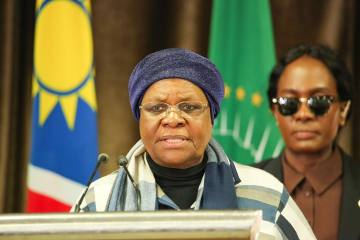
President Netumbo Nandi-Ndaitwah says she is investigating complaints that medicines are failing to reach hospitals and clinics, including possible deliberate interference within the pharmaceutical supply chain.
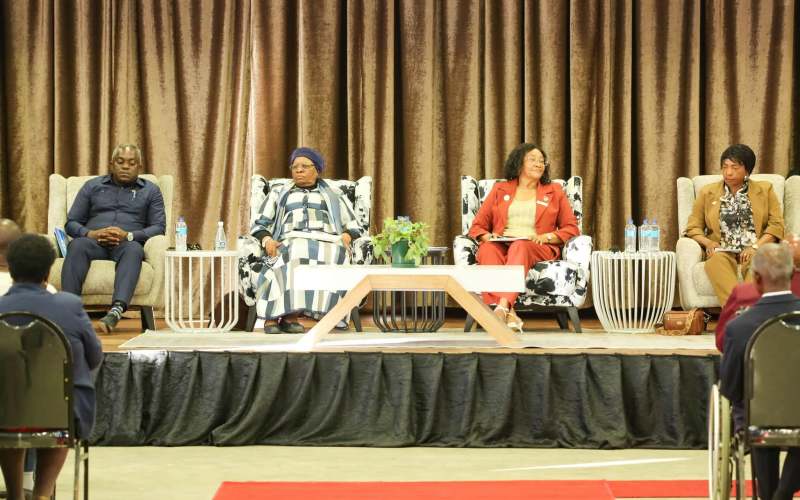
She made the remarks during a town hall meeting in Swakopmund after a resident questioned whether the government was running out of money, given continued shortages of essential medicines in Erongo and other regions.
The President said procurement had improved compared with the situation before her administration, but acknowledged that distribution remained a concern.
“Everywhere I’m going, I’m hearing this. And I’m just asking what is happening because, in terms of the medicine we are buying, there is an improvement from what we were having prior to this administration. I’m hearing there’s a problem of distribution,” she said.
The concerns come despite significant allocations towards pharmaceutical procurement.
In September 2025, health minister Esperance Luvindao told parliament that N$1.89 billion had been allocated for pharmaceutical and clinical supplies for the 2025/26 financial year.
However, she disclosed that the Central Medical Stores had recorded service levels below 57% over the preceding two financial years, against the ministry’s minimum target of 80%.
By May 2026, the ministry reported an improvement to 60%, although several essential medicines remained understocked or unavailable at public health facilities.
The service-level figure measures the quantity of supplies delivered against the quantity ordered by health facilities, meaning improvements in the national average do not necessarily translate into the availability of every medicine at individual hospitals.
The latest concerns also come against the backdrop of investigations into alleged irregularities within the pharmaceutical supply chain.
In April 2026, the health ministry announced an internal investigation into suspected fraud at the Central Medical Stores (CMS), including allegations that employees manipulated stock records, stole and diverted pharmaceutical supplies.
The ministry said the alleged activities may have resulted in artificial shortages intended to create public alarm and trigger emergency procurement processes.
Some employees implicated in the allegations were reassigned from their duties at the stores pending investigations.
Former Anti-Corruption Commission (ACC) Director General Paulus Noa had previously subsequently confirmed that the commission was investigating several cases involving alleged fraud and theft within the health ministry.
The allegations have not yet been established as findings of guilt.
In September 2025, Luvindao also acknowledged weaknesses in the pharmaceutical supply chain, including inadequate storage facilities, poor inventory management, insufficient security and a lack of accountability.
The ministry subsequently announced plans to introduce barcode tracking systems to monitor medicines from central storage to patients at health facilities.
The government is now exploring technology to track medicines from the point of arrival until they reach their intended destinations, according to Nandi-Ndaitwah.
She said some officials were already under investigation by the ACC, while others had been transferred.
The President has also not ruled out deliberate interference, saying she was investigating whether the shortages could be linked to individuals seeking to undermine the government.
“Whether it is now sabotage, which is there for people really not to like this government, is something I’m working on very seriously to see what is really happening,” she said.