CHAMWE KAIRA
The National Assembly has raised concerns over growing job insecurity in the mining sector, citing outsourcing, labour-hire practices and weak enforcement of labour and occupational safety laws.
The parliamentary standing committee on poverty eradication, labour and industrial relations made the findings following oversight visits to mining operations in the Oshikoto, Otjozondjupa, Erongo, //Karas and Khomas regions.
According to the report, mining companies are increasingly relying on subcontracted workers, creating what the committee described as a “dual labour market” in which permanent employment is being replaced by cheaper contract labour.
The committee noted that mining revenues increased by nearly 56% to N$6.861 billion in 2023, while secure permanent employment has stagnated.
It found that some principal mining companies had implemented retrenchments or voluntary separation schemes before hiring workers through subcontractors to perform similar duties at lower wages.
The report also raised concerns over the conditions faced by subcontracted workers, including limited access to pensions, medical aid and leave benefits.
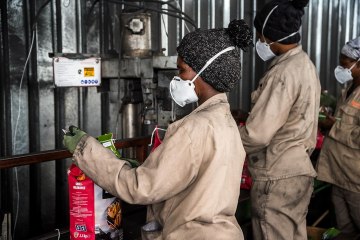
The committee further reported alleged breaches of occupational health and safety requirements, including inadequate personal protective equipment, exposure to dust and 12-hour shifts.
At Sino Mine in Tsumeb, workers alleged that management used voluntary retrenchments and outsourcing while excluding unions from the process.
At Cheetah Cement in Otjiwarongo, the committee raised concerns about technical engineering positions being occupied by foreign nationals without Namibian understudies.
Workers also reported receiving second-hand overalls previously used by dismissed employees.
The committee reported labour and safety concerns involving subcontractor Beifang at Rössing Uranium and Swakop Uranium’s Husab Mine, including alleged pressure on shop stewards and fears of reprisals among workers who raise concerns.
At Rosh Pinah Zinc Mine, the committee halted a company presentation after questioning whether individuals presented as employee representatives were the legitimate elected representatives of workers.
The committee, however, singled out Navachab Gold Mine in Karibib for positive practices, citing employee involvement in its turnaround strategy, investment in employee housing, medical coverage and local skills transfer.
The committee said outsourcing should not undermine workers’ rights or host communities.
It recommended that the ministry of mines and energy and the ministry of labour accelerate reforms to strengthen labour protections in the mining sector.
Among the recommendations are the fast-tracking of the Occupational Safety and Health Bill, updating the Mines Ordinance of 1968 and amending the Labour Act of 2007 to address the use of labour-hire arrangements following retrenchments.
The committee also recommended that mining and exploration licences be linked to compliance with labour protections, housing requirements and specified local skills-transfer obligations.