CHAMWE KAIRA
The Namibia Stock Exchange-listed Oceana Group reported an increase in operating profit for the 11 months ended 31 August, while group revenue remained in line with the prior period.
The improvement was driven by stronger performances from Lucky Star Foods, fishmeal and fish oil in the United States, and wild-caught seafood.
This was partly offset by continued pressure in the fishmeal and fish oil business in Africa, where lower production and sales volumes resulted in a significant operating loss.
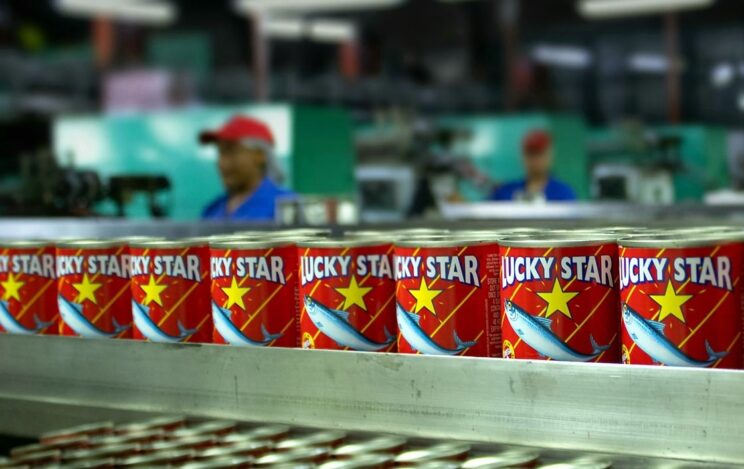
Lucky Star Foods recorded mixed results, with a strong first half followed by weaker performance in the second half to August. Shortages of frozen fish raw material constrained canned pilchard availability and slowed sales.
Total sales volumes declined by 5%, mainly due to a 9% decrease in canned fish volumes. Stronger canned meat sales partly offset the decline.
Local canning production volumes fell by 60% as a result of raw material shortages, increasing per-unit production costs because fixed production costs were spread over lower volumes.
However, operating margins benefited from higher net realised sales values, lower freight and inventory holding costs, an improved sales mix and increased volumes of locally caught pilchards.
In the fishmeal and fish oil Africa segment, production volumes fell by 73%, reflecting lower industrial fish landings and reduced pilchard trimmings following lower cannery production.
Sales volumes declined by 72%, despite average fishmeal and fish oil prices increasing by 31% in Rand terms. The lower volumes resulted in the segment’s operating loss increasing from the level reported at the interim results.
Oceana’s US fishmeal and fish oil business, Daybrook, delivered a stronger performance, supported by higher sales volumes and improved US dollar pricing.
Sales volumes increased by 16%, while average fish oil prices rose by 24% in the 11-month period. Average fishmeal prices in US dollar terms were largely unchanged.
Gulf menhaden landings to week 21 were 7% above the corresponding period in 2025 and 11% above the five-year average. The fishing season is scheduled to close at the end of October.
The wild-caught seafood segment also improved, driven mainly by a recovery in horse mackerel. Hake operations benefited from improved landings, increased days at sea and higher catch rates, while sales volumes rose by 5%.
Horse mackerel sales volumes increased by 8%, supported by improved catch rates, particularly in South African waters, and firm market pricing amid supply shortages.
The squid business, however, recorded an operating loss due to persistently weak catch rates across the industry. Oceana said its results for the year ended 30 September.