CHAMWE KAIRA
Savanna Beef Processors has suspended all slaughtering, cooling, deboning and packing operations following Namibia’s foot-and-mouth disease (FMD) outbreak, with the producer-owned abattoir facing a critical financial period and a decision looming on arrangements for approximately 240 employees during November and December.
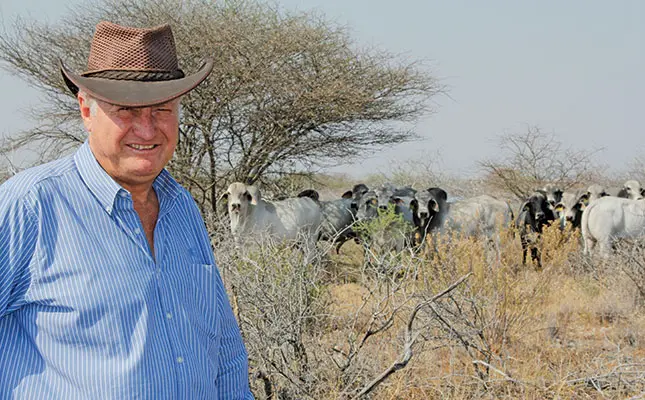
In an information letter to shareholders and Beef Value Chain Forum (BVCF) members, Savanna chairperson Mecki Schneider said the company was operating in survival mode as it sought alternative markets, negotiated financial support and worked towards restoring operations.
The outbreak was reported on 23 September, just two weeks after Savanna had reached its maximum daily production capacity of 250 cattle. The facility has 730 shareholders and more than 500 BVCF members.
Schneider said all employees working on the slaughter, cooling, deboning and packing floors had been placed on leave, while a skeleton staff remained on site to maintain the facility and operate the remaining cooling systems.
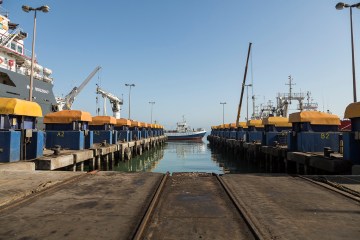
Management was also marketing beef products held in chillers and freezers locally and had secured the release of containers already certified for export from the port of Walvis Bay.
The company is in open negotiations with its financiers and banks to secure financial support. Schneider said Savanna had no external party to absorb its losses, requiring expenditure to be aligned with its financial position.
The company expects lower beef prices across the industry until access to the European Union (EU) and United Kingdom (UK) markets is restored.
Savanna has identified three immediate priorities including engaging international veterinary experts to support Namibia’s efforts to regain its international veterinary status, restoring cattle deliveries to the abattoir and securing alternative export markets.
The company is supporting efforts to prepare a renewed application to the World Organisation for Animal Health (WOAH), which would be an essential step towards restoring access to country-specific international markets.
The BVCF steering committee has unanimously approved N$500 000 as an industry contribution towards engaging an international expert. Schneider said the initiative would benefit all export abattoirs.
Agriculture minister Inge Zaamwani has instructed her team to approach the EU for support, while stakeholders consulted by Savanna have backed the appointment of an expert to assist Namibia in regaining its veterinary status.
The second priority concerns the resumption of cattle deliveries from producers. Current arrangements permit slaughter only from feedlots, which Schneider said did not align with Savanna’s model of sourcing slaughter-ready cattle directly from farmers.
Producers have been urged to register feedlots with their local veterinary offices, even if these can accommodate only one load of slaughter cattle. Blood samples must be taken and tested for FMD before cattle are delivered.
Schneider said thousands of slaughter-ready cattle remained on farms and needed to be marketed to protect producers’ financial viability and support rangeland management ahead of predicted El Niño conditions and possible drought.
Savanna’s international marketing agent, GPS, has assessed alternative market opportunities. However, Schneider warned that securing new markets would take time because veterinary import requirements differ between countries.
Namibia consumes about 30% of its annual beef production, raising concerns about pressure on the domestic market if export opportunities remain restricted. The current inability to export weaners or beef to South Africa adds to the challenge.
Before the outbreak, Savanna had exported approximately 100 containers of beef to niche markets in the UK, EU and Norway. It had also been expanding into higher-value markets.
The company obtained EU export certification on 7 April and began slaughtering cattle for export on 13 April.
Schneider said Savanna had slaughtered more cattle during the year than any other Namibian abattoir before the outbreak and had offered producers the highest prices.
The plant had also achieved an AA grade in a British Retail Consortium Global Standards assessment conducted shortly before the outbreak, following an earlier successful audit by South African retailer Woolworths.
Schneider said slaughtering could resume on a limited scale by the end of November and potentially continue through December, subject to feasibility.