Staff Writer
Veteran journalist reflects on independence, corruption and the widening gap between the promises of liberation and the realities of governance
A veteran Namibian journalist who once served in the Parachute Battalion during the liberation war era has raised difficult questions about the state of Namibia’s democracy, corruption and whether the country has lived up to the promises made at independence.
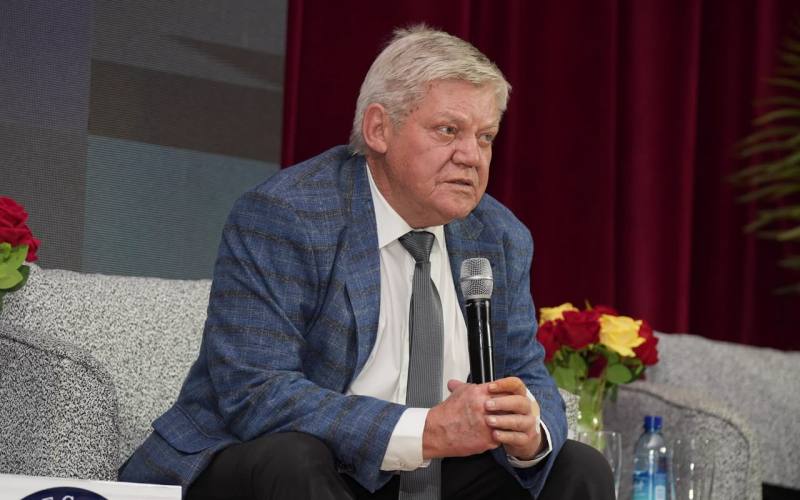
Chris Jacobie, former executive editor of the Republikein, makes the observations in a wide-ranging interview on the Catalyst Podcast, hosted by Lazarus Jacobs, in which he reflects on a lifetime spent on both sides of Namibia’s history.
One of the most striking elements of the conversation is Jacobie’s assessment of the gap between the democratic ideals for which Namibia fought and the realities that have emerged more than three decades after independence.
His reflections on the scale of corruption, and the reluctance to speak openly about its extent, make the interview particularly topical at a time when accountability, public-sector integrity and the fight against corruption remain central to national discourse.
For Jacobie, the question is not simply whether Namibia achieved independence and established democratic institutions. It is whether those institutions are delivering the accountability, transparency and standards of governance that citizens were entitled to expect.
His perspective carries particular significance because he has experienced Namibia’s history from an unusual vantage point.
Having served in the Parachute Battalion, including operations in Angola during the war, he subsequently returned to an independent Namibia and built a career observing, documenting and commenting on the country’s political and social evolution.
The interview also examines the changing nature of journalism, particularly the influence of social media on a profession that has traditionally depended on verification, credibility and editorial responsibility.
Another notable aspect is Jacobie’s reflection on President Netumbo Nandi-Ndaitwah and what surprised him when she assumed the presidency, offering an additional perspective on the country’s evolving political leadership.
The conversation goes beyond nostalgia about the liberation struggle or criticism of the present.
It raises a more fundamental question about the responsibility of successive generations to protect and strengthen the democratic foundations established at independence.
Namibia’s independence was a historic achievement. But democracy cannot be measured by the passage of time, elections or the continued existence of institutions alone.
Its value must ultimately be reflected in the quality of governance, the integrity of public institutions and the confidence citizens have in those entrusted with power.
The Jacobie interview is a reminder that national progress requires not only celebrating what has been achieved, but also having the courage to confront what remains unfinished.
The full conversation is available on the Windhoek Observer’s Catalyst Podcast platforms.