Desmarius Hansen
Namibia is likely to experience recurring water shortages during every dry season for the next few years, as ageing infrastructure, inadequate pumping capacity and unreliable electricity continue to undermine water supply across the country.
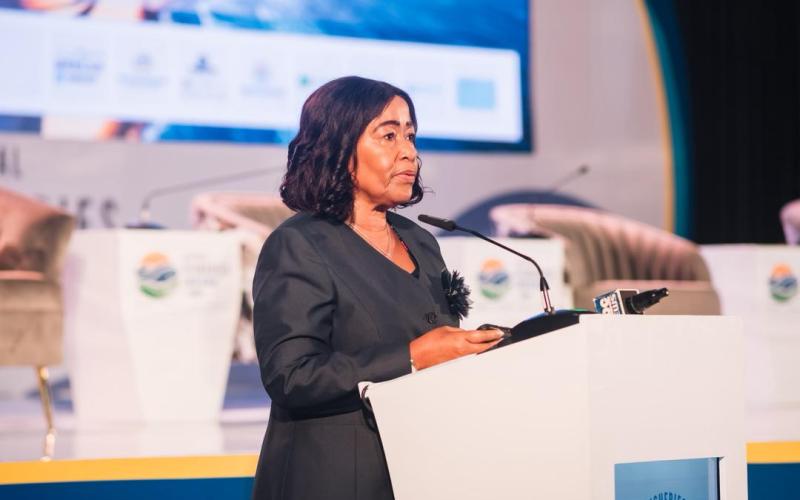
Agriculture, fisheries, water and land reform minister Inge Zaamwani made the admission in the National Assembly on Thursday, warning that communities should brace for continued disruptions until major infrastructure upgrades are completed.
The warning comes as several regions experience water shortages, with households facing dry taps, rotational rationing and increasing reliance on water tankers.
Zaamwani said the situation was particularly concerning in the north-central regions, where demand rises sharply after seasonal water sources, including oshanas and earth dams, dry up around September.
The country’s water supply is also being affected by repeated electricity interruptions. NamWater recorded 22 major power-related disruptions between April and September this year, 14 of which were unplanned.
The interruptions affect purification plants and pumping stations, with reservoirs sometimes taking weeks to recover after power failures.
The minister said the three main dams supplying Windhoek and surrounding areas were at a combined 39.4% capacity as of 16 November, compared with 63.9% during the same period last year. Omatako Dam is completely empty.
National dam storage stood at 76.4%, down from 79.7% a year ago, while the regional climate outlook points to an increased likelihood of below-normal rainfall between December and February.
The shortages are being felt across several regions, with infrastructure constraints and insufficient pumping capacity affecting both urban and rural communities.
In Omusati, 23 branch lines are affected, while villages around Eenhana in the Ohangwena Region have also experienced shortages, with dozens of rural branch lines without water.
In Oshikoto, more than 2 600 households are located along pipelines requiring booster pumps to improve water pressure.
The situation is also dire in Kunene, where the Opuwo purification plant produces 140 cubic metres of water per hour against an estimated demand of 250 cubic metres.
Kamanjab has introduced water rationing as borehole yields have dropped to approximately half their usual output.
In the Kavango regions, ageing infrastructure has left demand exceeding available supply, with parts of Rundu already experiencing rationing.
The government has introduced rotational rationing on stressed pipelines, deployed water tankers and is installing 95 boreholes countrywide.
It is also constructing 13 small-scale desalination plants while maintaining 24 existing facilities.
However, one proposed intervention remains without funding.
NamWater is considering installing standby generators at vulnerable treatment plants and pumping stations in the NORED supply area to limit disruptions caused by electricity failures.
The project is estimated to cost approximately N$50 million, but no funding has been secured.
Zaamwani also warned that some local authorities lose as much as 40% of the water supplied by NamWater through leaking pipes, further worsening shortages.
She urged local authorities to prioritise repairing leaks, introduce water-demand management measures and consider rationing where necessary.
Communities were also encouraged to report leakages and refrain from illegal water connections.