Desmarius Hansen
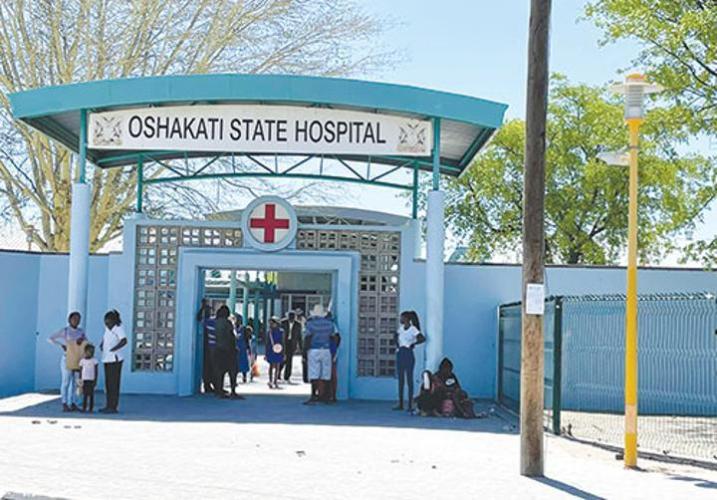
Oshakati Intermediate Hospital is shouldering the burden of an entire district hospital, with nurses reportedly attending to as many as 30 to 40 patients each, while the long-awaited construction of Ondangwa District Hospital remains outstanding.
The absence of a district hospital in the Oshana Region has forced Oshakati Intermediate Hospital to handle both routine medical cases and serious referrals, placing mounting pressure on its healthcare workers, wards and services.
Raising the concern during parliamentary contributions on the 2026 Mid-Year Budget Review under Vote 13, National Council member Andreas Amundjindi said the situation was placing an unsustainable burden on the hospital.
He said patients who would ordinarily be treated at a district hospital were instead being referred to Oshakati Intermediate Hospital because there was no alternative facility serving that purpose in the region.
According to Amundjindi, the hospital is consequently handling routine cases, including uncomplicated deliveries, malaria cases and simple fractures, while simultaneously attending to emergencies such as severe malaria, pregnancy-related bleeding, road accidents, operations and specialist care.
He warned that the arrangement was compromising the quality and efficiency of healthcare delivery, with medical staff struggling to cope with the patient load.
“One nurse looks after 30 to 40 patients instead of 10 while doctors work 24 hour shifts,” he said.
Amundjindi said the pressure had left nurses exhausted, contributed to overcrowded wards and resulted in patients waiting for hours to receive medical attention.
He argued that the construction of Ondangwa District Hospital would benefit not only residents of Ondangwa and surrounding communities but also ease the burden on Oshakati and Onandjokwe hospitals.
“The land is available, visibility studies are done, but so far not even one brick has been laid,” he said, referring to the progress of the proposed hospital.
He appealed to the minister of health and social services to accelerate the project, which he said had been planned for a considerable period without construction commencing.
“If the ministry accelerates the building of Ondangwa Hospital, we will not only help Ondangwa and surrounding, but we will save Oshakati and we will save Onandjokwe,” he said.
His concerns come as parliament considers additional allocations and adjustments under the ministry of health and social services’ budget.
Meanwhile, deputy minister of justice and labour Relations Inecia Brandt also raised concerns about healthcare delivery in rural communities, particularly in the Daures Constituency.
Supporting Vote 13, Brandt welcomed the additional N$41 million allocated to cater for 456 medical and dental interns, describing it as an investment in the country’s future healthcare workforce.
However, she cautioned that strengthening the healthcare system required more than investing in interns, urging the government to ensure that rural communities also benefit from adequately staffed and equipped health facilities.
She highlighted shortages of nurses, limited access to doctors, a lack of social workers, inadequate life-support equipment and essential medicines, as well as insufficient ambulance services in Uis, Omatjete and Okombahe.
Brandt also called on the ministry to consider upgrading Uis Clinic to a health centre, citing the settlement’s estimated population of 5 500 residents.
The concerns over staffing and service delivery come amid questions about the country’s ability to absorb qualified healthcare professionals into a public health system struggling with personnel shortages.
In August, approximately 1 350 unemployed graduate nurses, represented by the Kenneth Human Rights Association, appealed to the health ministry to review its recruitment processes, arguing that qualified nurses remained without employment despite staffing shortages in public health facilities.
The concerns came against the backdrop of a recruitment drive during which the ministry confirmed that approximately 1 320 nurses had been employed by the end of September 2026.
However, in October, the ministry announced a suspension of new recruitment until April 2027, citing financial constraints after spending N$241 million of the N$259 million allocated for healthcare worker recruitment during the 2026/27 financial year.
Health minister Esperance Luvindao previously acknowledged that the recruitment drive would not fully address the country’s staffing needs.
“We recognise that these recruitments will not meet all our needs, but we must start somewhere, and this is a good start,” she said in December 2025.
The continued unemployment of qualified nurses, alongside reports of severe staffing pressures at public hospitals, raises questions about how available healthcare professionals can be deployed to facilities most in need of personnel.