Patience Makwele
The continued struggles of Namibian businesses seeking to export goods to other African countries have prompted the government to introduce a guide aimed at helping them navigate cross-border trade.
The struggles include facing a maze of permits, customs procedures and regulatory requirements,
The Namibia Step-by-Step Guide to Trading Goods under the African Continental Free Trade Area (AfCFTA) was launched at the Hilton Hotel in Windhoek early this week.
Speaking at the launch, executive director of the ministry of international relations and trade, Ambassador Jerobeam Shaanika, said the guide was developed after businesses encountered difficulties accessing import and export information held by different government institutions and regulatory agencies.
“For many businesses, particularly micro, small and medium-sized enterprises, navigating the regulatory environment can be a complicated and time-consuming undertaking. A business may have a competitive product, the ambition to enter a new market and the capacity to fulfil an order, yet find itself confronted by uncertainty about documentation, permits, customs procedures, standards and the institutions responsible for particular requirements,” he said.
He said these challenges create unnecessary costs, discourage entrepreneurship and prevent businesses from pursuing opportunities beyond the country’s borders.
“The Guide consolidates essential information on the procedures and requirements for exporting and importing goods under the AfCFTA into one practical and accessible resource. It takes traders through the various stages of the trading process, identifies the required documentation, outlines the relevant regulatory requirements and provides information on the institutions responsible for administering these processes,” Shaanika said.
Director of the United Nations Economic Commission for Africa’s (UNECA) sub-regional office for southern Africa, Eunice Kamwendo, said preferential access to markets would not be enough if businesses could not meet the requirements for trading.
“Governments negotiate trade agreements, but businesses trade. Ultimately, it is businesses that must identify markets, meet product standards, understand rules of origin, obtain the necessary certificates and documentation, and successfully complete transactions,” she said.
Kamwendo said exporters also needed market information, trade finance, reliable logistics services and connections with potential buyers to turn market access into actual transactions.
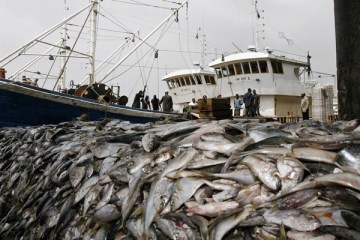
She identified fish and fish products, livestock and meat products, horticulture, salt, charcoal, cosmetics, essential oils and mineral beneficiation as sectors with potential to expand Namibia’s exports under the agreement.
Namibia Chamber of Commerce and Industry (NCCI) first vice president Patty Karuaihe-Martin said businesses needed more than tariff reductions to benefit from continental trade.
“While tariff reductions are important, experience across the world shows that successful trade depends on much more than tariffs. It depends on efficient border procedures,” she said.
The guide was developed through collaboration between the ministry and NCCI, with technical support from UNECA and financial support from the Government of Japan.
Namibia Trade Forum chief executive officer Rodney Hoaeb outlined the country’s progress in implementing its National AfCFTA Implementation Strategy.
Consultant Maria Immanuel, who developed the guide, demonstrated its application using a Namibian peanut butter manufacturer, taking participants through the requirements for exporting the product under the agreement.
A representative of the Meat Corporation of Namibia shared the company’s experience of trading under AfCFTA, reporting that it had completed three shipments to African markets, including Kenya, where Namibian products could enter at preferential tariff rates.
The guide outlines general and product-specific requirements for selected products of economic importance to Namibia.
It also provides information on documentation, regulatory requirements, relevant institutions and legislation governing trade.
Shaanika said access to continental trade should not be limited to established businesses with the resources to navigate complicated administrative systems.
“A small business in Namibia should not be excluded from continental trade simply because it lacks the resources to obtain information that ought to be readily accessible,” he said.