Patience Makwele
Farmers outside the foot-and-mouth disease (FMD) control zone in Zambezi Region can resume more livestock-related activities following the relaxation of movement restrictions imposed after an outbreak on Kalala Island last month.
However, farmers in Kabbe North and Kabbe South remain under movement restrictions, with livestock and their products prohibited from leaving the designated Disease Management Area (DMA).
Chief Veterinary Officer Dr Kenneth Shoombe said the outbreak had not spread beyond Kalala Island, allowing the affected area to be reduced to the two constituencies.
The restrictions were initially imposed across the entire region after FMD was detected on the island on 7 October 2026.
Under the revised measures, fully vaccinated cattle from the rest of Zambezi may be moved into the DMA, while livestock from other regions may enter Zambezi, except for Kabbe North and Kabbe South.
Farmers outside the restricted area may also take cloven-hoofed animals to open markets and local or export abattoirs, provided veterinary movement permits are issued after their vaccination status has been established.
The relaxation also allows the slaughter of fully vaccinated cattle within the DMA for household consumption and social events. However, meat from these animals cannot be taken outside the restricted area.
Shoombe said two rounds of vaccination had been completed on Kalala Island, using FMD serotype O and SAT 1, 2 and 3 vaccines.
“A total of 53 479 cattle have been vaccinated, achieving coverage of over 95 per cent of the targeted cattle population of 56 269,” he said.
The ministry’s decision follows surveillance around the infected area, with the disease still confined to the affected herd on Kalala Island.
Other livestock movements remain subject to veterinary controls.
Animals travelling through Zambezi from other regions must be transported in sealed trucks, while cattle entering the DMA from outside the area must meet vaccination requirements.
The movement of hides, skins, game trophies and plant materials is permitted in the rest of the region, subject to the required procedures.
Raw meat, raw milk and livestock feed may also enter the region, except for products originating from the //Kharas Region.
Despite the relaxation, veterinary officials and police will continue operating roadblocks and patrols in the affected constituencies. The re-vaccination of cattle across Zambezi will also continue.
Shoombe urged farmers to report suspected infections and illegal movement of livestock and animal products to their nearest veterinary offices.
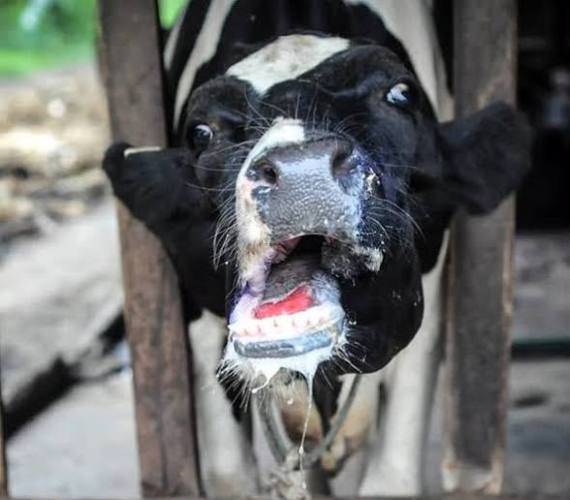
FMD symptoms include excessive salivation, limping, reluctance to move, fever and blisters or ulcers on the tongue, gums and hooves.
The outbreak was detected on 7 October after cattle on Kalala Island showed clinical signs of the disease.
The initial restrictions halted livestock movement and marketing across Zambezi as authorities sought to prevent the infection from spreading to other parts of the region.