Patience Makwele
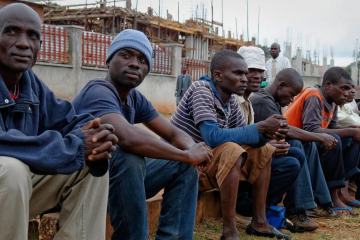
Namibia’s youth unemployment crisis has come under renewed scrutiny, with regional stakeholders calling for more practical opportunities to help young people move from training and government programmes into actual employment.
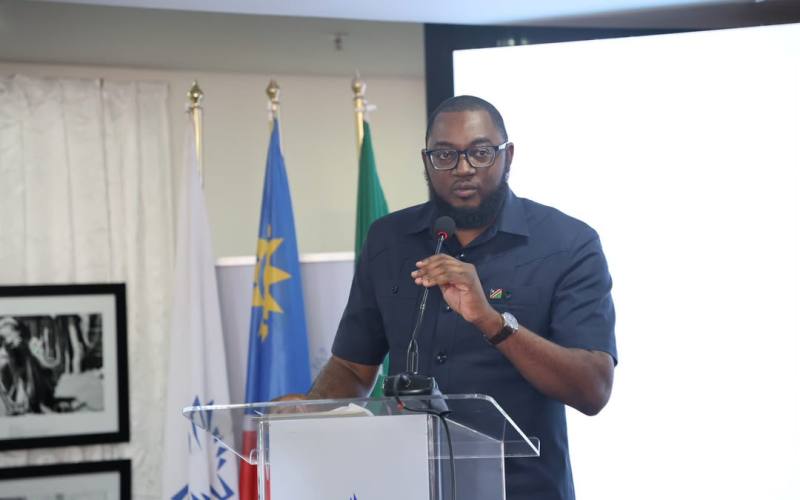
The call was made by Khomas regional governor Sam Nujoma during an African Peer Review Mechanism (APRM) validation consultation in Windhoek earlier this week, where he urged stakeholders to give an honest assessment of progress made in addressing challenges facing the country.
“Where progress has been made, let it be confirmed,” Nujoma said.
His remarks come as the APRM conducts consultations across all 14 regions to assess the implementation of recommendations from Namibia’s Country Review Report, including those relating to youth unemployment and economic opportunities.
The country’s youth unemployment rate stood at 44.4% in 2023, according to the Namibia Statistics Agency, while youth unemployment and potential labour combined stood at 61.4%.
The situation is more severe in some regions, with Kavango East recording the highest youth unemployment rate at 60.4%, followed by Kavango West at 58.1%.
In Omusati, APRM National Governing Council member Elia George Kaiyamo urged participants not to shy away from discussing problems affecting their communities.
“Don’t be afraid to speak,” Kaiyamo told participants.
Kaiyamo said issues such as unemployment and corruption needed to be discussed openly if the government was to understand where interventions were falling short.
“We are here to make sure that we have a collective understanding of how best we can serve our people genuinely,” he said.
Omusati governor Immanuel Shikongo called for open and constructive participation during the consultation, saying the process should provide a true reflection of the views and realities of people in the region.
Former Omusati governor Erginus Endjala said addressing youth unemployment requires more than ensuring that people have access to food.
He argued that employment gives people an income and the freedom to decide how to use it.
“Creation of employment where somebody’s getting his money and can decide what to do with the money,” Endjala said.
Endjala also questioned whether mechanised agricultural projects are creating enough employment in rural communities.
He said large agricultural projects can sometimes require only a small number of workers to operate machinery, limiting the number of jobs created despite the size of the land being cultivated.
He called for greater private-sector involvement in agricultural projects, saying businesses have the capital needed to expand production and create employment.
Endjala also pointed to the movement of young people from rural areas to towns in search of work.
“Why are our kids moving from here to towns.. They are going there to do what? The answer remains simple, they’re migrating for employment,” he said.
APRM chief analyst Astro Kabuku said youth unemployment was already identified as a major concern in the mechanism’s first targeted review on youth and employment.
He said one of the recommendations was for government and regional councils to provide internship opportunities so young people could gain work experience.
The National Youth Development Fund (NYDF) was also established following recommendations from the youth review. The fund provides loans to youth-owned businesses and projects at interest rates of between two and four percent, without requiring collateral.
However, access to youth programmes remains a concern in some regions.
In //Kharas, Governor’s Youth Desk coordinator Emma Abed recently said applications submitted during the second phase of the NYDF had not received responses from Windhoek, raising concerns about delays in accessing funding.
In Kavango East, where youth unemployment was 60.4% in 2023, participants also linked limited opportunities for young people to challenges such as teenage pregnancy and school dropout.
Omusati teacher Selma Erastus said young people also need opportunities to gain practical experience.
She proposed that National Youth Service (NYS) participants be placed with private companies, including mines, where they could acquire workplace skills.
“They have what we call experience from the doing of the work,” Erastus said.
She also called for stronger links between schools and the agricultural sector so that learners can gain practical skills and local farmers can have better access to markets.
Kabuku said the next targeted APRM review would focus on decentralisation, which he linked to the need to bring services and opportunities closer to communities.
He said young people should not always have to leave their villages to access opportunities and government services.
The regional consultations will contribute to the APRM’s assessment of Namibia’s progress in implementing recommendations from its Country Review Report.
Kaiyamo urged participants to continue raising concerns openly during the consultations.
“Let us talk to each other in a frank, open way,” he said.