Desmarius Hansen
Namibia’s road infrastructure faces a growing funding dilemma, with a projected N$18.76 billion maintenance backlog putting pressure on the government to balance new road construction against the rehabilitation of ageing infrastructure.
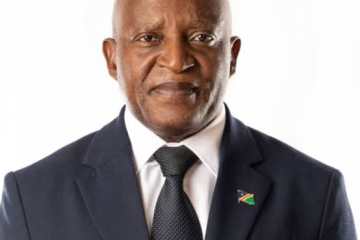
Minister of works and transport Veikko Nekundi says the country cannot build every road at once and must make ‘tough choices’ about where limited resources are directed, including between major economic corridors and roads connecting rural communities to essential services.
His remarks come as the Roads Authority warns that the country’s road maintenance backlog has more than doubled since 2016, raising questions about how the government intends to protect existing infrastructure while pursuing further expansion.
“We cannot build everything at once, but we can ensure that every kilometre constructed serves both a social and an economic purpose,” Nekundi said on Wednesday at the opening of the International PIARC/Roads Authority Seminar in Windhoek.
The minister said the challenge was not whether Namibia should invest in roads, but how limited resources should be distributed between infrastructure that stimulates economic growth and roads that improve the quality of life of ordinary citizens.
He argued that rural feeder roads could contribute directly to economic productivity by connecting farmers and communities to major transport corridors and markets.
Similarly, major economic routes risk excluding communities from the benefits of development if they are built without adequate local access.
Nekundi said the government needed to adopt a tiered investment approach that prioritises maintaining existing infrastructure, targets social roads where they unlock economic potential and considers public-private partnerships for economically viable corridors.
The minister also cautioned against focusing exclusively on expanding the country’s road network while neglecting infrastructure already in place.
He described road maintenance as the protection of public investment, saying planning, construction, maintenance and rehabilitation should be treated as interconnected responsibilities.
“Our ambition must be not simply to build more, but to secure lasting value from every investment,” he said.
Nekundi stressed that constrained resources required disciplined decisions that consider the long-term costs of infrastructure, warning that the government must ensure public money delivers lasting value.
He said accountability, transparency and value for money should guide infrastructure decisions, from identifying projects to managing completed assets.
The minister also raised the possibility of alternative financing arrangements, including public-private partnerships, as the government considers ways of supporting sustainable road investment amid competing demands on public finances.
However, he cautioned that such arrangements must demonstrate economic merit, allocate risks appropriately and protect long-term public value.
“The objective is not financing for its own sake, but sustainable transport outcomes that advance our development priorities,” he said.
Regional ambitions
Beyond domestic connectivity, Nekundi said Namibia’s road network plays a strategic role in regional trade and economic integration, particularly within the Southern African Development Community (SADC).
He identified the Trans-Kalahari, Trans-Zambezi, Trans-Kunene and Trans-Orange corridors as key routes requiring continued investment, maintenance and infrastructure upgrades.
The corridors connect Namibia to neighbouring countries and wider regional markets, supporting the movement of goods and people while strengthening the country’s position as a logistics gateway.
He added that maintaining the corridors would require cross-border cooperation, improved corridor management and progressively upgrading sections facing capacity and safety challenges.
The minister also called on road users to contribute to preserving the country’s road infrastructure by helping curb the high rate of road accidents.
Nekundi urged delegates to translate discussions into practical solutions for financing, procurement and governance, saying Namibia needed approaches suited to its economic circumstances, geography and development needs.