Patience Makwele
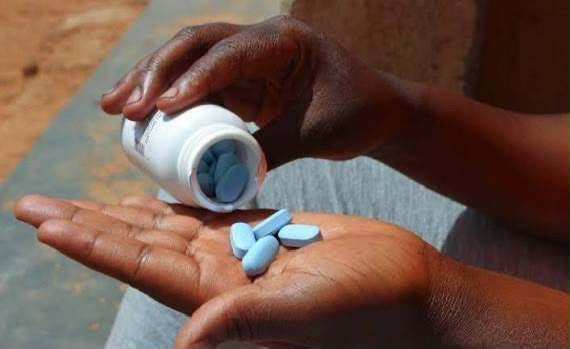
Namibia’s ability to sustain its HIV gains after the United States phases out direct financial support will depend on more than keeping antiretroviral (ARV) medicines available, health experts and an economist have warned.
The ministry of health and social services confirmed to the Windhoek Observer that the government already funds 100% of the country’s ARVs, following the announcement that US financial assistance for Namibia’s HIV response will be phased out.
Under the new arrangement, US support will transition over the next year from financial assistance to technical cooperation as Namibia integrates its HIV response into the national health system.
While the government finances and procures ARVs and HIV test kits, US assistance has also supported HIV testing, counselling, community-based organisations and other health-system interventions.
The US is expected to provide about US$45 million for Namibia’s HIV response during the 2027 financial year before shifting to technical cooperation. Since 2003, the US has contributed more than US$1.1 billion to Namibia’s HIV response.
The ministry’s spokesperson, Walters Kamaya said the government remains committed to sustaining HIV prevention, treatment and care.
“The ministry has previously stated that the government funds 100% of ARVs, and this commitment remains central to protecting treatment continuity for people living with HIV,” Kamaya said.
Economist Herbert Juach, however, said the government should prepare for the wider funding gap rather than focus only on replacing donor financing for medicines.
“The question of HIV funding is not new. The US indicated some months ago that it wanted to reduce its funding, so the government should already be making provisions for this transition,” Juach said.
He said absorbing additional costs into the national health budget would put pressure on other public-health priorities, although Namibia could explore partnerships with other countries and development organisations.
Namibia has surpassed the UNAIDS 95-95-95 targets, with 96% of people living with HIV knowing their status, 98% of those diagnosed receiving treatment and 98% of those on treatment achieving viral suppression.
Health expert Nalucha Buchane said maintaining those gains would require continued investment in services surrounding treatment.
“The bigger question is what happens to all the supporting services around treatment,” Buchane said.
She said testing, counselling, treatment linkage, follow-up and viral-load monitoring remained essential, including identifying patients who fall out of care.
Former DREAMS HIV testing and viral-load specialist Rafael Oliver Mambo said testing and monitoring would be critical during the transition.
“HIV care doesn’t end when you give somebody a box of ARVs,” Mambo said.
He said weaker prevention and testing programmes could result in people who do not know their status being missed, while reduced viral-load monitoring could make it harder to identify patients who are not responding adequately to treatment.
A person living with HIV, who asked not to be named, also raised concerns about medicine shortages and access to prevention services, particularly in rural areas.
The source recalled instances where HIV medication was unavailable at a clinic and said community-based programmes had previously brought testing and education closer to rural communities.
The concerns come amid medicine procurement challenges reported earlier this year, when the ministry acknowledged reduced stock levels of certain commodities at health facilities and the Central Medical Stores.
The Central Procurement Board advertised a 12-month tender for the supply and delivery of ARVs in March, with the procurement process closing in May.
The ministry said gap-filling procurement measures were being undertaken while awaiting deliveries from manufacturers, with a target of rebuilding medicine stocks to at least 80%.
Buchane cautioned against panic but said Namibia should not assume its current HIV outcomes would continue without sustained investment.
“Namibia has worked very hard to get to where it is today,” she said.
“We should not create unnecessary panic because of the funding transition, but we also should not assume that maintaining the current results will happen automatically. You have to keep investing.”
Mambo said greater domestic ownership of the HIV response would need to cover the full continuum of care.
“Ownership means financing the whole continuum of care, not just buying the ARVs,” he said.