CHAMWE KAIRA
The impact of expensive fuel is actively spilling into broader goods and services, pushing core inflation up to 4% in September, its fifth consecutive monthly rise.
Air transportation fares surged by 22.1%, medical products increased by 6.5%, while furniture and furnishings rose by 4.6%, according to Simonis Storm Securities.
Headline inflation rate climbed to 5.4% in September 2026, up from 5% in August, reaching its highest level since January 2024.
Transport was the biggest contributor to the increase, recording annual inflation of 14.9% and accounting for 42% of the headline inflation rate.
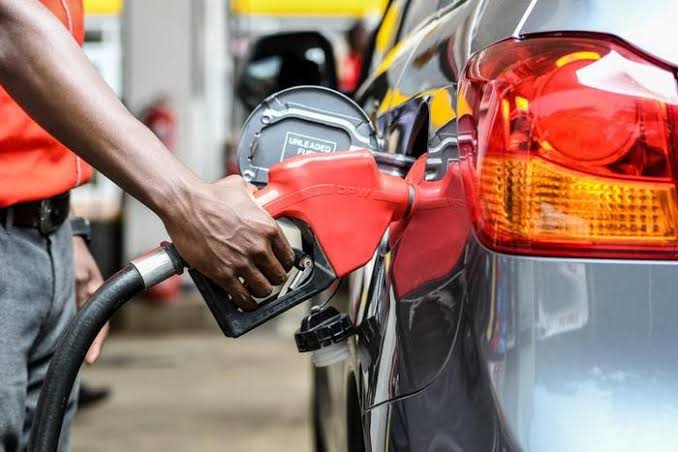
The increase followed domestic fuel price and levy adjustments implemented on 2 September, which contributed to petrol and diesel prices rising by 30.4% year-on-year.
Fuel price pressures were compounded by higher international energy costs, with Brent crude averaging US$101 per barrel in September amid global diesel shortages.
The Namibia dollar also weakened to approximately N$16.60 per US dollar in early October, increasing pressure on imported goods and limiting potential relief from currency movements.
On October 7, the government increased petrol prices by a further N$1.50 per litre while keeping diesel prices unchanged to provide temporary relief to the agriculture and logistics sectors.
However, Simonis Storm warned that substantial fuel price under-recoveries remained, raising the likelihood of further diesel price adjustments.
Food and non-alcoholic beverage inflation remained unchanged at 4% year-on-year.
Despite food inflation falling below 1% in neighbouring South Africa following a bumper summer grain harvest, Namibian consumers continued to face higher costs linked to transport, cold-chain operations and import controls.
Within Namibia’s food basket, fruit prices rose by 14.4%, while fresh and long-life milk prices increased by 11%.
Housing and utilities inflation eased slightly to 4.2%. Electricity price inflation stood at 0.9%, partly reflecting a base effect as previous electricity price increases fell out of the annual comparison.
Simonis Storm expects the Bank of Namibia to raise its repo rate by 25 basis points to 7% at its Monetary Policy Committee meeting scheduled for 21 October.
The anticipated increase follows tightening in regional monetary policy, including a recent 25-basis-point rate hike by the South African Reserve Bank.
The report indicates that inflationary pressures could persist through the end of the year, with headline inflation projected to reach 5.8% in December 2026.
Simonis Storm forecasts that inflation could peak at approximately 6.2% in March 2027 before easing in April and May as the fuel price shocks recorded earlier in 2026 fall out of the annual inflation calculation.
The projected easing would depend partly on the timing and scale of fuel price adjustments and their continued impact on transport and other consumer prices.