Patience Makwele
Patients in the Zambezi region say they are struggling to access and afford medicines at public health facilities, raising concerns about what happens when patients are advised against using traditional remedies but cannot obtain prescribed treatment.
Alfred Simasiku Matongo, a Katima Mulilo resident, told the Windhoek Observer that patients spend hours queuing at hospitals, only to be told that medicines are unavailable and must be purchased from private pharmacies.
“They are protesting to raise awareness but they are not addressing the root cause of the problem in which they are living in the hospital. What’s the point of all of this if me, as a patient, had the money to buy the medicine at the pharmacies, why would I be sitting at the hospital the whole morning?” he asked.
Matongo said patients sometimes leave the hospital without the treatment they need, forcing them to return home and endure their symptoms or seek alternatives.
He said the situation was particularly difficult for people without permanent employment, elderly residents relying on pension grants and households already struggling to meet basic needs.
“You might have money for food at home. But then someone or even you yourself gets sick and you have to use that money to buy medicine,” he said.
Matongo added that transport costs further burden patients travelling from villages far from Katima Mulilo, particularly when they must make repeated trips to health facilities.
He said some patients resort to traditional remedies when they cannot afford medicines from private pharmacies, arguing that health education must take their circumstances into account.
“We understand that they have to tell us what is safe and what is not safe. But they must also understand our situation. You cannot tell someone not to use something their family has relied on for years, then send the person home without medicine,” he said.
Matongo called for clearer information about which medicines should not be combined, alongside improved access to treatment at public health facilities.
“I think they should educate us properly about which medicines are dangerous to mix, instead of just making people feel like everything they know from home is wrong,” he said.
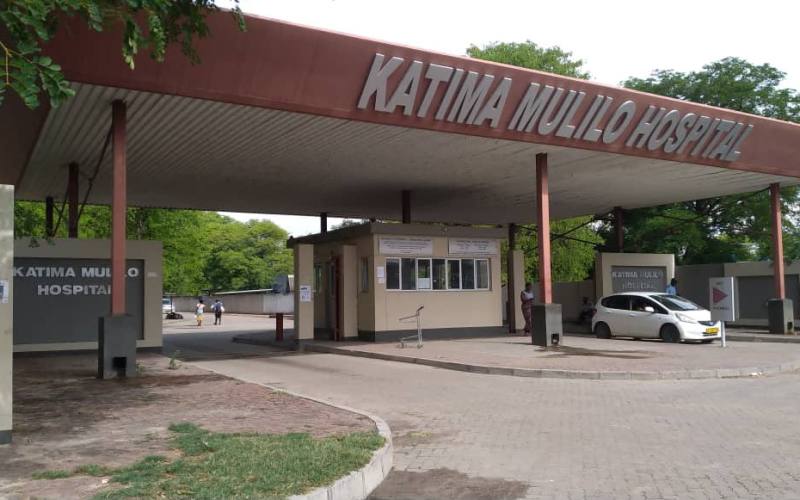
He also called on health authorities to investigate medicine availability and staffing at Katima Mulilo State Hospital and surrounding clinics.
“We need more doctors in that hospital, we are tired of waiting for hours because there’s only one or two specialists to attend to patients,” he said.
Katrina Ndozi, a 56-year-old pensioner from the region, described similar difficulties accessing treatment, saying she sometimes travels to Katima Mulilo for healthcare only to encounter long queues and problems obtaining medicines.
Ndozi said patients may be directed to private pharmacies when medicines are unavailable at public facilities, leaving them to cover costs they had not anticipated.
She said she had spent about N$2 500 on medicines and faced additional expenses for transport and accommodation when travelling for treatment.
According to Ndozi, the costs are particularly difficult for patients coming from villages, where reaching a hospital can require substantial travel expenses.
She also questioned how patients could be expected to avoid traditional remedies when they could not afford medicines prescribed at health facilities.
Ndozi said authorities should address medicine availability at clinics and hospitals while ensuring that patients receive information about the safe use of medicines.
Medicine availability has been a concern in the Zambezi Region in previous years.
In March 2025, reports during a malaria outbreak highlighted difficulties accessing antimalarial medicines.
A resident reported that a patient who tested positive at Sachona Clinic had been sent away without medication. Regional officials later said supplies had arrived and were being distributed.
In July 2025, parents in the region also reported difficulties affording alternative medicines following the recall of paediatric paracetamol syrup produced by Fabupharm. Some said they had been directed to buy alternatives from private pharmacies but struggled with the prices.
Nationally, the ministry of health and social services acknowledged medicine supply challenges during 2025, including shortages affecting medicines for chronic conditions and other essential treatments.
In May 2026, the ministry reported that it was supplying about 60% of the quantities of pharmaceutical products ordered by health facilities, below its target of at least 80%.
It said emergency procurement and bulk purchasing were among the measures being pursued to improve availability.
The reported national supply position does not establish the current stock levels of individual medicines at Katima Mulilo State Hospital or surrounding clinics.
The concerns come as pharmacists in Katima Mulilo on Sunday took to the streets to conduct a protest to raise public awareness activities on safe medicine use, disease prevention and the risks associated with combining certain treatments.
Melisa Harris-Sibeya, a pharmacist at Katima Mulilo State Hospital, said pharmacists recognise herbal medicine and are trained to advise on appropriate dosages and potential risks.
“As a pharmacy directorate in Namibia, we do recognise herbal medicine because it’s actually part of our studies as well,” she said.
Harris-Sibeya encouraged local herbalists to approach pharmacists for guidance on dosages and the safe use of herbal remedies.
She warned that some herbal medicines cannot be taken alongside conventional treatments.
“There are some herbal medicines that cannot be combined with the traditional medicines that we use,” she said.
Alec Kuudzadombo, a pharmacist at Katima Central Pharmacy, said the outreach activities included blood pressure and blood sugar testing, alongside information on lifestyle changes and disease prevention.
“There are diseases that can be prevented when action is taken earlier, for example, things like hypertension. We give information on it,” he said.
The activities were held under the theme “Empowering Pharmacists for Healthier Futures” and included radio discussions on medicine-related issues and traditional medicines, as well as awareness about the safe disposal of unused medicines.
Matongo said health authorities needed to address patients’ concerns about access to treatment.
“The hospital must make sure people can actually get the treatment they need and not just protest in the streets, this is a very serious and concerning matter that should not be ignored ,” he said.