CHAMWE KAIRA
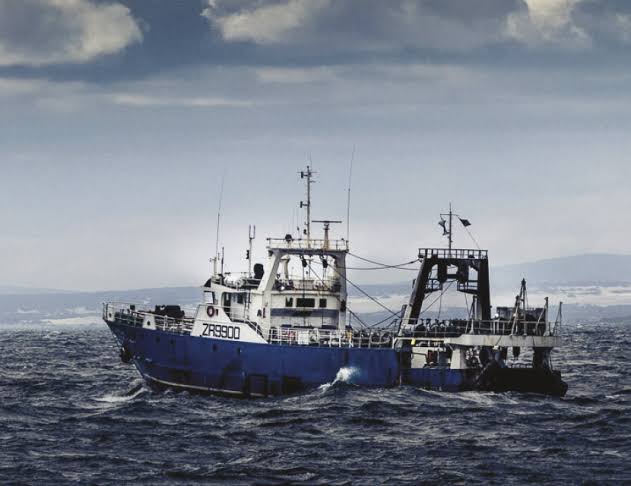
Oceana Group reported in its audited group results for the year ended 30 September, that total horse mackerel catch and production in Namibia declined by 29%, mainly due to extended planned surveys of both vessels in the second half and late-year quota shortages which reduced fishing time.
Catch rates decreased marginally, while unit catch costs rose by 5% due to lower volumes and higher fuel costs on the unhedged portion.
Total horse mackerel sales volumes remained largely unchanged at 42 216 tons compared with 42 768 tons in 2025.
The company said strong demand for affordable protein, particularly smaller-sized fish, supported higher selling prices and was the main driver of profitability.
Average Rand selling prices realised increased by 18%, despite a 9% appreciation in the Rand against the US dollar.
In South Africa, horse mackerel catch and production from the Desert Diamond increased by 136%, supported by more days at sea and an improvement in catch rates.
Unit costs fell by 28%, as the benefit of the higher catch more than offset increased unhedged fuel costs and the impact of the vessel’s first-half class renewal survey.
Following a change in strategy, the vessel is no longer classified as held for sale and has been withdrawn from the market.
The hake business delivered a solid result despite a 5% reduction in Total Allowable Catch (TAC), although earnings remained below the prior year’s record level.
Production was largely unchanged, as an improvement in catch rates offset a reduction in fishing days.
Fishing time was reduced by the planned first-half dry-docking of the fleet’s flagship vessel, Beatrice Marine, and an extended second half refit of Compass Challenger vessel, followed by a Department of Forestry, Fisheries and the Environment (DFFE) survey trip.
Low opening inventory and continued constraints on global frozen pilchard supply are expected to restrict Lucky Star foods’ sales volumes in 2027, requiring ongoing customer allocations.
The shortage is also anticipated to reduce local cannery utilisation and increase cost pressure.
The recent virus affecting the pilchard resource has subsided, but its full impact will only be clear once the DFFE November pelagic biomass survey is complete.
The results will inform the 2027 pilchard TAC and its potential implications.
Revenue decreased 4.2% to R9.6 billion (2025: R10 billion), as lower volumes in Lucky Star foods and Fishmeal and fish oil (Africa) more than offset revenue growth in Fishmeal and fish oil (USA) and Wild caught seafood.
Supply constraints were the main driver of the volume declines. Shortages of frozen fish in the second half of the year limited Lucky Star foods’ sales volumes, partly offset by growth in other food categories.
In fishmeal and fish oil (Africa), reduced fish availability constrained production and sales, despite stronger global prices.
Profit after tax increased 38.5% to R1,3 billion compared with R724 million in 2025, due to the stronger operating performance and lower net interest expense.
The group’s headline earnings increased 50.5% to R1,19 billion (2025: R677 million) with headline earnings per share increasing by the same percentage to 850.3 cents compared to 564.8 cents in 2025.
The growth was primarily due to the increase in profit after tax and a lower share of earnings attributable to minority interests in subsidiaries affected by lower pelagic fish availability.