Patience Makwele
Health Minister Dr Esperance Luvindao has warned that Namibia could face an 84% increase in cancer cases by 2045, as health experts raised concerns over delayed diagnoses, limited rural screening services and growing barriers to treatment.
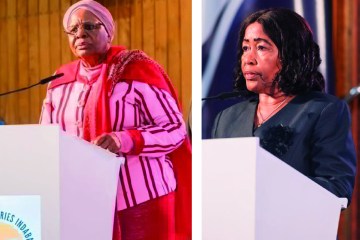
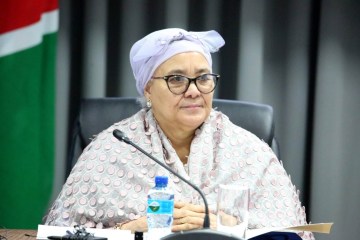
Speaking at the opening of the World Health Organization (WHO), International Atomic Energy Agency (IAEA) and International Agency for Research on Cancer (IARC) imPACT Review Mission in Windhoek on Monday, Luvindao described cancer as one of Namibia’s most pressing public health threats.
According to figures presented by the minister, Namibia recorded approximately 2,200 new cancer cases in 2018. Four years later, that figure had risen to 3,453 cases, while cancer-related deaths reached 1,940.
She stressed that the situation is expected to worsen. Projections indicate that Namibia could record more than 6,300 new cancer cases annually by 2045 if current trends continue.
“This is not a prophecy we must accept. This is a warning we must answer,” Luvindao said.
The minister said breast cancer remains the most common cancer among women, with an estimated 553 new cases recorded annually, while cervical cancer accounts for around 350 new cases each year despite being largely preventable through screening and vaccination.
While the government has invested in chemotherapy, radiotherapy and oncology services, health experts say one of the country’s biggest challenges remains the late diagnosis of cancer, particularly in rural communities.
Health expert Nalucha Buchane said too many patients continue to be treated repeatedly for symptoms rather than being referred for further investigations.
“One of the biggest challenges we face is delayed diagnosis. Patients often present at clinics multiple times with persistent symptoms and are treated symptomatically without sufficient follow-up investigations,” Buchane said.
“We need to move away from a culture where patients are repeatedly given painkillers, antibiotics or other medication without healthcare workers asking why the symptoms persist. Early testing and referrals must become standard practice.”
She said rural clinics and district hospitals should be strengthened to improve early detection.
“Cancer should not only be diagnosed once a patient reaches Windhoek Central Hospital or another referral facility. Frontline healthcare workers in villages, settlements and small towns must be empowered to identify warning signs much earlier,” she said.
Cancer Association of Namibia (CAN) principal officer Jo-Anne Crossman, previously revealed that the financial burden of cancer extends far beyond hospital bills.
“Many patients face substantial indirect costs, including transport, accommodation and loss of income, particularly those travelling from rural areas to access specialised treatment in Windhoek. These hidden costs often place enormous pressure on families already dealing with a life-threatening diagnosis,” Crossman said.
She warned that financial constraints continue to contribute to treatment delays and interruptions.
“Some patients postpone or even abandon treatment because they cannot afford the associated costs. Delayed treatment often results in disease progression, reduced treatment effectiveness and poorer outcomes for patients,” she said.
A resident in the Zambezi region who lost her mother to cervical cancer said the warnings about delayed diagnosis are painfully familiar.
The woman, who requested anonymity, said her mother repeatedly sought treatment at a local clinic after experiencing recurring symptoms.
According to her, healthcare workers initially treated the symptoms with pain medication and injections.
“She would get treatment and appear better for a few days, then the symptoms would return and we would be back at the hospital again, and nurses would give her pills for relieving the pain,” she said.
The distressed woman explained that the family eventually pushed for more comprehensive testing after a friend suggested there could be an underlying condition.
By then, the diagnosis revealed advanced cervical cancer.
“I had to take my late mother to the clinic myself, and the nurse I found on duty was very rude simply because I suggested that she should do other tests. She was furious and almost did not want to help us because I was apparently trying to teach her how to do her job,” the woman shared.
“When the test results finally came out, she already had stage three cancer that was progressing towards stage four. She only survived for six months after that.”
The woman said the diagnosis plunged the family into emotional and financial turmoil.
“We were completely unprepared. The costs of chemotherapy, travelling between hospitals and accommodation became overwhelming. We had to sell livestock just to try and keep up with expenses.”
She believes earlier intervention could have improved her mother’s chances of survival.
“Up to today, I still ask myself whether things would have been different if the cancer had been detected earlier. Many families are suffering because patients are only referred when the disease has already advanced.”
Clinical psychologist Anastasia France said cancer places enormous emotional strain on patients and their families long before treatment even begins.
“A cancer diagnosis often comes with fear, uncertainty, anxiety and depression. Patients are not only worried about survival; they are also worried about how they will pay for treatment, transport and accommodation, especially when treatment requires travel to major centres,” France said.
She said psychological support should be integrated into cancer care.
“The emotional burden of cancer is often underestimated. Many patients feel isolated and overwhelmed. Mental health support should form part of the treatment journey from diagnosis onward.”
Crossman also warned that some patients delay or abandon treatment because they cannot afford the indirect costs associated with care.
Luvindao acknowledged that Namibia still faces significant challenges, including workforce shortages, infrastructure limitations and unequal access to healthcare between urban and rural areas.
She said the international review mission would help identify gaps in the country’s cancer response and guide future investments.
“The recommendations that emerge from this mission will become the blueprint for our National Cancer Control Plan and guide our investment decisions, workforce training and policy direction for the next decade,” she said.
The review mission brings together experts from the WHO, IAEA and IARC to assess Namibia’s cancer prevention, screening, diagnosis and treatment systems.
In order to fight the surging outbreak of cancer cases, experts say Namibia’s ability to improve early detection and expand access to quality healthcare may determine whether the country can prevent thousands of avoidable deaths in the decades ahead.
Crossman said improving cancer outcomes will require stronger investment in early detection programmes, patient support services and access to treatment.
“The earlier cancer is detected, the better the chances of successful treatment and survival. Early diagnosis not only saves lives but also reduces the financial burden on patients, families and the healthcare system,” she said.