CHAMWE KAIRA
Namibia is among seven countries selected to participate in a US$1.75 billion concessional financing programme aimed at supporting the development of low-carbon heavy industries, as the country seeks to industrialise without locking itself into highly polluting production systems.
According to Jona Musheko, manager for external affairs and communication at the Namibia Green Hydrogen Programme (NGH2P), Namibia has applied for US$250 million.
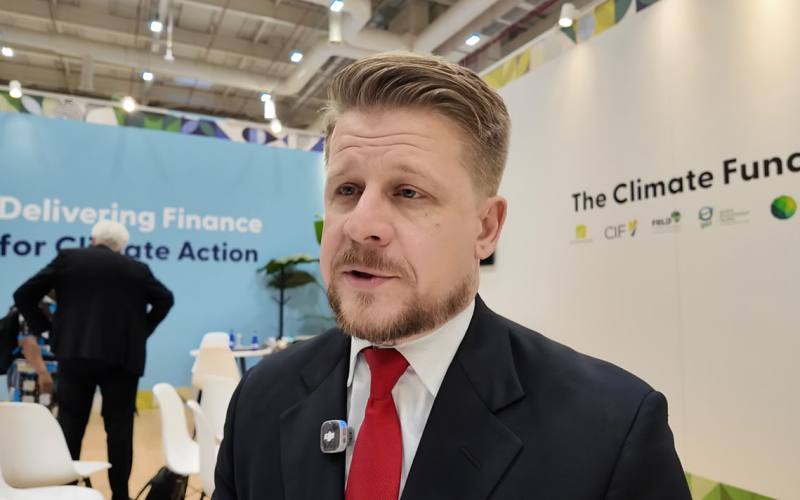
Daniel Morris, head of clean at Climate Investment Funds (CIF), said Namibia’s participation in the Industry Decarbonisation Programme would provide access to flexible, low-cost, long-term financing to support investments in cleaner industrial activities.
The programme, launched in 2024 with an initial US$1 billion pledge, has since allocated an additional US$750 million after seven countries were invited to participate.
The funding is designed to be combined with financing from multilateral development banks, private-sector investors and national governments to identify and support industrial decarbonisation opportunities in participating countries.
Morris said Namibia’s industrial development presented a different set of opportunities from countries such as Brazil and Mexico, where the focus is largely on reducing emissions from existing industries.
For Namibia, the emphasis would be on ensuring that new industries are developed using cleaner technologies and production methods from the outset.
“For a country like Namibia, I think we expect that as the country industrialises, it will avoid establishing more polluting types of industry and will immediately move into cleaner industries,” Morris said.
He said this would require investment in new facilities, construction, processing and refining capacity, as well as the development of industries capable of producing commodities for domestic and international markets.
The programme seeks to provide financing that can address investment challenges that conventional funding, including financing through multilateral development banks, may not adequately cover.
CIF works with multilateral development banks, including the World Bank and African Development Bank, to provide concessional finance to countries pursuing climate-related investments.
Morris said the programme required participating countries to dedicate at least 50% of their total investment plans to private-sector activities, recognising that industrial transformation would largely be driven by businesses.
The financing can take different forms depending on the requirements of individual projects.
These include concessional loans that reduce borrowing costs for businesses undertaking industrial investments, as well as guarantees that help reduce specific risks and encourage private-sector participation.
He said the programme’s flexible financing arrangements were intended to address conditions on the ground while bringing together governments, businesses and development banks to ensure projects reached financial close.
The process also involves civil society organisations, workers and other communities affected by industrial projects to ensure their views are incorporated into investment decisions.
Morris said CIF had almost 20 years of experience in providing climate-related financing and was increasingly focusing on emerging areas where technology, finance and policy constraints were slowing progress.
South Africa remains one of the fund’s largest recipients, with a US$500 million investment plan focused on the transition away from coal.
About US$250 million in new projects under that plan were approved in the month preceding Morris’s remarks.
CIF has also supported South Africa’s wind power development and helped launch its first large-scale battery storage project through concessional financing.
South Africa is now developing its own industry decarbonisation programme.
Morris said CIF expected participating countries to identify opportunities suited to their individual industrial structures and development priorities.