Staff Writer
The Bank of Namibia (BoN) has renewed calls for urgent action to address the country’s growing housing crisis, warning that rapid urbanisation, rising property prices and limited serviced land are making formal home ownership unaffordable for many Namibians.
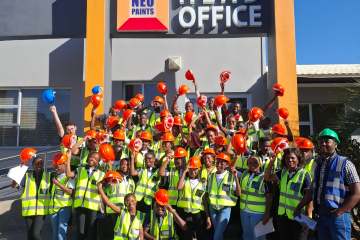
The concerns were raised during the central bank’s second Housing Research Seminar held in Windhoek under the theme “Housing in Namibia: Tracking Progress, Uncovering Gaps and Identifying Scalable Solutions.”
The seminar brought together policymakers, financial institutions, housing experts, development partners, local authorities and other stakeholders to discuss challenges affecting the housing sector.
BoN governor Ebson Uanguta said housing should be viewed not only as a basic human right but also as important economic infrastructure that supports productivity, labour mobility, financial resilience and inclusive growth.
Uanguta said Namibia’s housing challenges have worsened due to rapid urbanisation, population growth, affordability pressures and rising construction costs.
According to the governor, Namibia is now 53% urbanised, while the average house price in Windhoek has exceeded N$1.4 million.
He warned that if urbanisation continues to grow faster than infrastructure delivery, serviced land provision and spatial planning, the country could face further growth in informal settlements, wider inequality and increased pressure on public services.
The seminar formed part of the central bank’s efforts to strengthen policy discussions and cooperation on national issues.
One of the presentations was delivered by Abigail Nainda, who examined developments in Namibia’s housing sector since the 2011 Housing Symposium.
Nainda outlined areas where progress has been made and highlighted challenges that still remain in the sector.
Mbo Mena Luvindao also presented on housing affordability, access to finance and pricing trends within the housing market.
Luvindao said the financial sector continues to face challenges in balancing credit access and affordability for households seeking home ownership.
He also highlighted the link between market pricing and the ability of ordinary Namibians to own homes.
Martin Jimmy Namupala presented findings on housing barriers and factors that support housing delivery.
His presentation focused on informal settlement upgrading, urban development, land management and inclusive planning.
Namupala stressed the need to address challenges linked to land servicing, tenure systems and infrastructure provision to improve affordable housing delivery.
Mandisa Van Wyk also unpacked housing market trends and affordability pressures in Namibia’s property market.
Van Wyk explained how economic trends continue to affect households and financial institutions.
During panel discussions, Thomas Shilongo highlighted the importance of partnerships, infrastructure financing and scalable housing delivery models to increase the construction of affordable homes.
Helvi Fillipus also discussed the wider economic impact of housing, including the role of monetary policy, credit conditions and market confidence in housing affordability and long-term development.