Patience Makwele
A 41-year-old man says he has been left with neurogenic erectile dysfunction after using sexual enhancement products in an attempt to address problems with his sexual performance.
The man, whose identity is being withheld to protect his privacy, told the Windhoek Observer that he began using the products after struggling with his sex life following a period of heavy alcohol consumption and difficulties in his marriage.
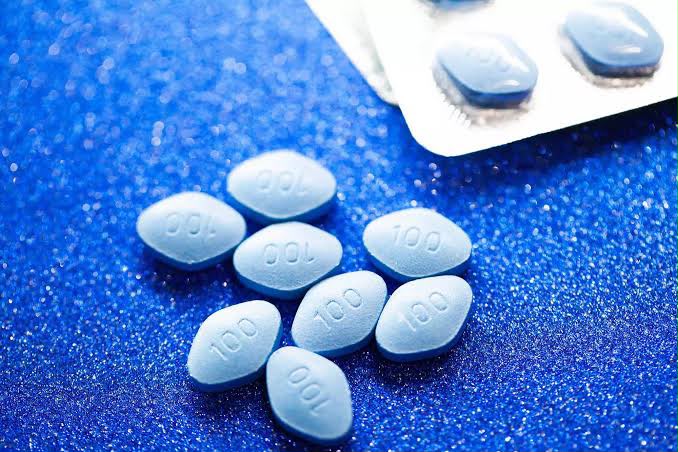
He said he initially experienced improvements in his sexual performance after taking what he described as a “blue pill”, but later developed painful symptoms that affected his daily life and ability to work.
“I started using the blue pill in 2021 immediately after the Covid 19 lockdown was lifted and because after losing my job, I was under a lot of stress as the only breadwinner. So that’s how it became a problem where I was now taking short to last in bed,” he said.
“It was very hard for me not to satisfy my wife because at the time I was still in my mid 30s. I confided to a friend and he suggested that I go to the pharmacy. I did that, I bought this small package which had 6 pills in it which you only take once in a week.”
He said his wife initially welcomed the improvement in their sex life, but the prolonged intercourse eventually became uncomfortable and strained their relationship.
The man said he became increasingly dependent on the products, using them four to five times a week, before turning to other sellers and traditional preparations when he could not keep up with the pricing of pills from the pharmacy and his supply ran out.
He said he initially obtained alternative pills through a contact in South Africa, paying between N$500 and N$600 to have a small package transported to Namibia.
After running out of the products, he began purchasing from people he did not know, including sellers of traditional preparations, in an effort to maintain his sexual performance.
The man said he subsequently developed severe pain and swelling around his genital area after just over a year of using the drugs, with symptoms that eventually interfered with his ability to work.
“At some point, I stopped going to work, but I could not disclose what the issue was,” he said.
He said he sought medical assistance at Rundu State Hospital in 2024 but struggled to discuss his symptoms with female healthcare providers.
According to him, he was uncomfortable disclosing the nature of his condition to a female doctor and said his attempts to request a male clinician were unsuccessful.
“Every time I used to go to the hospital or clinic I always found female nurses and since some of the nurses knew my wife, it was hard to tell them my problem. I tried requesting a male doctor but they all referred me to nurses on duty,” he said.
He later sought treatment from a private doctor after moving to Windhoek, where he underwent medical tests and received a diagnosis of neurogenic erectile dysfunction.
The condition, he said, involves erectile difficulties associated with dysfunction of the nerves responsible for the erectile response.
The man said he could no longer achieve an erection and was still seeking answers about his condition through further medical investigations.
However, the precise cause of his condition, including whether the products he used contributed to it, requires medical confirmation.
The man estimates that he has spent more than N$20 000 in 3 years seeking medical assistance from different private doctors as he attempts to establish the cause of his condition and find treatment.
He said the financial burden had been compounded by the difficulty of accessing care and the personal impact of his symptoms.
“I was in so much pain because I was now in isolation mode. I didn’t want to do anything with everyone,” he said.
Commenting on the matter, general practitioner Simon Limbo Sanimombo warned that sexual enhancement products sold through informal channels could expose consumers to unknown substances and potential health risks.
“As clinicians, we’re seeing the fallout firsthand in our consulting rooms where as men are coming in with erratic blood pressure spikes, acute kidney injuries and severe systemic crashes because they took something they bought off a chat group without knowing what was actually in it,” he said.
Sanimombo said embarrassment and fear of social judgement remains a concern that discourages men experiencing erectile dysfunction from seeking medical assistance, leaving some to turn to products marketed through informal online channels.
He said doctors investigating cases such as that of the 41-year-old man would need to examine the patient’s medical history and rule out other possible causes before attributing the condition to sexual enhancement products.
“As a doctor, before I point fingers at a specific bottle of pills, I have to dig into the clinical picture ruling out underlying neurological issues, early metabolic changes like diabetes, or vascular damage,” he said.
Sanimombo urged men experiencing erectile dysfunction to seek medical assessment rather than rely on products whose ingredients and safety they cannot verify.
“Erectile dysfunction is completely manageable, and it’s often just a warning light for something else going on in your body, like heart disease or high blood pressure,” he said.
The ministry of health and social services and the Namibia Medicines Regulatory Council (NMRC) have raised concerns about unregulated medicines and products marketed to consumers.
Efforts to obtain comment from the NMRC had not yielded a response by the time of publication.