Sostenus Wilherm
The Independent Patriots for Change (IPC) has accused TransNamib of shielding senior executives from disciplinary action, raising concerns over political interference, corporate governance and unequal accountability at the state-owned railway company.
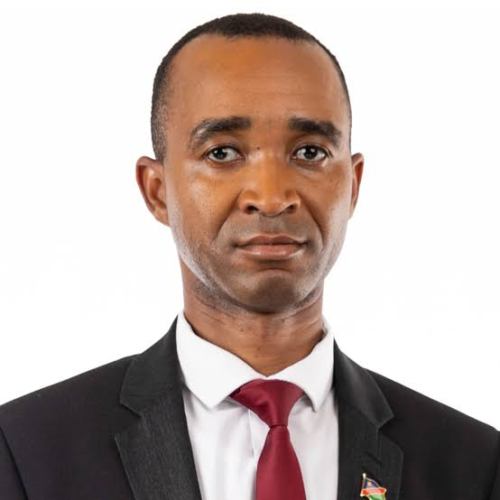
In a statement issued on Wednesday, IPC shadow minister of works and transport Nelson Kalangula said disciplinary proceedings against TransNamib’s senior executive for human capital and executive for properties have still not started.
Both officials were suspended in February 2026 following allegations of property mismanagement, statutory breaches and irregularities in the disposal of property.
Kalangula said the two executives were suspended after internal and forensic investigations uncovered the allegations but were later reinstated in May following an intervention by the minister of works and transport, Veikko Nekundi.
According to Kalangula, Nekundi had indicated that the investigations had been completed and that disciplinary hearings would proceed without delay, with hearings expected to take place in July and August.
“We are now in October 2026, and not a single disciplinary hearing has commenced,” Kalangula said.
He said reports that hearings scheduled for the previous week had been stalled because one of the executives had been booked off sick raised further concerns about whether administrative processes were being deliberately delayed.
Kalangula alleged that the continued postponements could amount to “calculated delay tactics” intended to allow the matter to lose public attention.
The IPC said the situation exposed what it described as “gross double standards” in the application of disciplinary measures at TransNamib.
Kalangula argued that while junior employees had faced swift disciplinary action, including termination and forced resignations, senior executives facing allegations of serious mismanagement appeared to be receiving a different standard of treatment.
“It is unacceptable that junior staff routinely face immediate disciplinary consequences for minor infractions, while senior managers implicated in systemic mismanagement enjoy executive immunity, ministerial cover, and endless procedural delays,” he said.
The party also questioned the minister’s decision to order the reinstatement of the suspended executives, arguing that the move could undermine the independence of the TransNamib Board.
Kalangula said disciplinary powers and board oversight should remain free from political interference and warned that ministerial intervention in the matter could weaken the authority of the board.
The IPC further questioned the value of forensic investigations commissioned by state-owned enterprises if their findings are not acted upon.
“If the actionable findings of forensic probes including those previously produced by EY Namibia are routinely ignored, delayed, or quietly shelved, these reports become nothing more than expensive window dressing to appease public anger,” Kalangula said.
The party called on the minister of works and transport and the TransNamib Board to publicly clarify the legal and administrative status of the allegations against the two executives.
It also wants TransNamib to establish firm and binding dates for the disciplinary hearings and publish a schedule for their conclusion.
Where medical certificates are used to postpone hearings, the IPC called for independent medical evaluations to be considered to ensure that sick leave is not misused to frustrate disciplinary proceedings.
Kalangula further called on the board to guarantee unbiased due process and ensure that executives implicated in forensic audit findings are not cleared through informal arrangements or administrative write-offs.
The IPC said the issue extends beyond the two executives, arguing that the handling of the case could influence public perceptions of accountability across Namibia’s state-owned enterprises.
“The rule of law must apply equally to all, from the operational staff on the rail line to the executive suites in corporate offices,” Kalangula said.