Patience Makwele
The Namibian Maritime and Fisheries Institute (NAMFI)’s new board inherited challenges that go beyond training Namibians for careers at sea, including ensuring graduates can secure the practical experience and employment opportunities needed to enter the maritime industry.
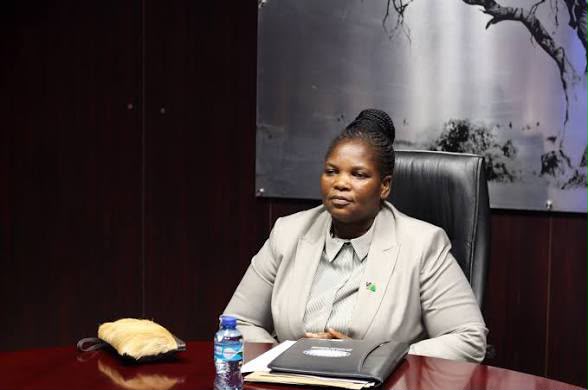
Deputy minister of agriculture, fisheries, water and land reform Ruthy Masake challenged the newly appointed board of trustees to ensure that the institute prepares graduates for the demands of the maritime and fisheries sectors.
At the board’s inauguration, Masake said the institute plays an important role in equipping Namibians with specialised maritime and fisheries skills, promoting professional competence and preparing the workforce to meet national requirements and international maritime standards.
Her remarks come as NAMFI’s acting director, Maryam Weah, has appealed to government and industry stakeholders to create more opportunities for graduates to gain practical experience and find employment.
At the institute’s 2026 graduation ceremony, Weah called for more sea-time placements, internships, mentorship and employment opportunities for graduates.
“We particularly encourage industry stakeholders to continue supporting sea time placement, internships, mentorship, and employment opportunities for our graduates,” she said.
Weah also identified modern training equipment, functional simulators, suitable facilities and qualified instructors as important to preparing graduates for the industry.
NAMFI graduated 41 students during its 30th anniversary celebrations in November, in fields including marine navigation, marine engineering and seafarer training.
Masake told the new trustees that they would be responsible for providing oversight and ensuring that the institute’s management is held accountable for its performance.
“Your responsibilities require sound judgement, collective leadership and a clear understanding of the distinction between governance and day-to-day management. You must provide strategic direction, hold management accountable for institutional performance and ensure that decisions are guided by the best interests of NAMFI and the national development priorities of our country,” she said.
The institute has also faced questions about its leadership structures. Erongo governor Natalia /Goagoses previously called on the government to appoint a substantive director, questioning how NAMFI could grow without confirmed leadership.
“Anyone acting cannot be held accountable,” she said.
Masake said the board’s inauguration marked the beginning of a period of responsibility, strategic leadership and accountability for the institute.
The six members appointed to serve a three-year term are Erich Maletzky, Cynthia Riruako, Michael Akuupa, Chris Fikunawa, Dalia Sheehamandje-Mwiya and Leena Kadhila.