Patience Makwele
Members of the United Nations (UN) Namibia youth advisory group have warned
against treating entrepreneurship as a one-size-fits-all solution to youth
unemployment, saying young people face different financial, skills and industry
barriers when trying to create their own jobs.
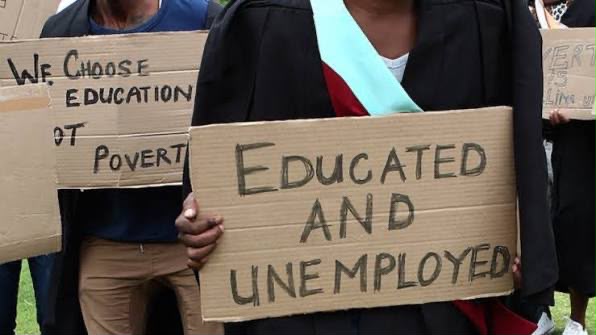
The warning came in Windhoek on Wednesday as youth unemployment remains
a major challenge, with a 2026 Namibia Country Impact Assessment estimating
youth unemployment at about 46%.
Micky Kaapama, a member of the UN Namibia youth advisory group, said
entrepreneurship can create opportunities but cannot be presented as an option
that works equally for everyone.
“Creating jobs is not a one-size-fits-all solution,” Kaapama said.
She said young people with highly technical qualifications may not be able to
immediately turn their qualifications into businesses because some fields require
expensive equipment, infrastructure and specialised resources.
Kaapama also raised concerns about young innovators struggling to access
finance, citing students developing a solar-light prototype as an example of
young people who may have viable ideas but still face barriers when trying to
secure support.
“Sometimes you find that students come up with innovative ideas, such as
developing a solar-light prototype, but they do not have access to the funding or
resources needed to take those ideas forward,” Kaapama said.
Namibia’s National Youth Development Fund provides youth-focused financing,
including collateral-free loans ranging from N$60 000 to N$200 000 for start-up
initiatives.
However, applicants must generally have a registered business or cooperative, a
business plan, financial projections and bank account confirmation.
Kaapama said young people should also make use of networks and platforms to
find opportunities, projects and partnerships in their respective fields.
“You need to use the networks and platforms available to you to find
opportunities, projects and partnerships in your field,” she said.
The discussion also highlighted the “demand for previous work experience” as
another barrier facing young Namibians when applying for jobs.
Toini Amutenya, another member of the UN Namibia youth advisory group, said
experience requirements should not necessarily be removed but could be
relaxed for entry-level positions.
“We don’t really need to scrap it away, but maybe soften it in such a way that
maybe require one year experience,” Amutenya said.
He encouraged young people to seek smaller opportunities while studying or
looking for employment, including freelance work, conferences and workshops
that can provide industry exposure.
“Even if it is not a permanent job, young people should look for opportunities that
allow them to gain experience, build networks and expose themselves to the
industry,” Amutenya said.
Dawid Gawaseb, a senior youth officer in the ministry of education, innovation,
youth, sports, arts and culture’s youth directorate, said young people struggling
to enter formal employment can make use of youth centres and other support
programmes.
He said the centres offer basic computer literacy, tailoring and dressmaking, life-
skills training and psychosocial support, while young people can also be referred
to other programmes.
Gawaseb said young people without strong academic qualifications can also
develop practical skills that can be used to generate income.
He cited data digitisation and typing as examples of skills that can provide
opportunities for young people entering the labour market.
“Not everyone has to follow the same academic path. Young people can also
develop practical skills, such as data digitisation and typing, which can help them
generate an income,” Gawaseb said.
The group further called for greater private-sector involvement in helping young
people move from education into employment and business.
Kaapama said financial institutions and other private-sector players could help
young people understand business registration, access to finance and other
requirements needed to turn ideas into viable enterprises.
The panel said young people should continue pursuing formal employment while
using their existing skills to gain experience, generate income and identify
opportunities.
“Young people should continue looking for formal employment, but at the same
time use the skills they already have to gain experience, generate income and
create opportunities for themselves,” the panel said.