Patience Makwele
Health practitioners from the ministry of health and social services have raised concerns over medication errors arising from misdiagnosis, incorrect prescriptions and poor communication between healthcare workers and patients, warning that such mistakes can compromise the safety of people receiving treatment for chronic conditions.
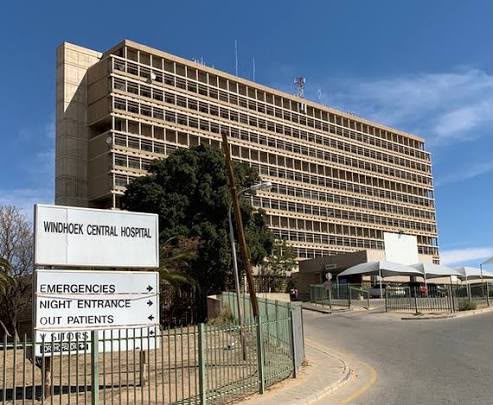
The warning comes ahead of World Patient Safety Day on Thursday, which Namibia will commemorate at Windhoek Central Hospital under the theme “Safe care for noncommunicable diseases.”
The risks associated with incorrect diagnosis and treatment have featured in a recent legal dispute involving the ministry, where a patient claimed he was given medication he did not need.
Angolan national Matheus Shakolo sued the ministry, alleging that health officials failed to properly assess his condition, explain changes to his medication and continued prescribing treatment he said he did not require.
He claimed he was placed on tuberculosis and antiretroviral medication and took the treatment for nearly three years despite allegedly not needing it.
A N$14 million default judgment was later reported in his favour. However, the ministry has disputed the validity of the judgment, arguing that the government was not properly served with the court papers.
Pharmacist Helena Kayavela said medication errors can occur at several points, including during diagnosis, prescribing and dispensing.
“The risk factors are, like, medication errors. This one is caused when the patient comes to the pharmacy, and the communication was not okay, they didn’t understand each other with the dispenser. So that will lead to medication errors,” Kayavela said.
She said pharmacists check prescriptions before medicines are dispensed to ensure the medication matches the diagnosis, while also checking the dosage, frequency and validity of the prescription.
They also screen for drug interactions, allergies, duplication of medicines and possible side effects, she said.
Once the checks are completed, pharmacists identify the patient before explaining how the medication should be taken.
“Once you confirm, you start educating the patient on how to take medication, which time, dose and frequency, which is how many times you take it per day, and you go further to educate the patient on reporting any unusual outcomes after taking medications,” Kayavela said.
She said family members should be included when patients depend on them for care, particularly to ensure that medication instructions, storage and follow-up dates are understood.
Senior nurse practitioner, diabetes nurse educator and noncommunicable diseases advocate Hileni Samuel said patient safety starts from the point of diagnosis.
“Education is very, very important and this education is ongoing,” Samuel said.
Samuel said patients living with conditions such as diabetes and hypertension need to understand their illnesses and participate actively in their treatment.
She said patients should attend follow-up appointments, report changes in their conditions and raise concerns with healthcare workers so that treatment can be reviewed where necessary.
Patients whose conditions are not improving may need to be referred for specialist assessment, she said.
Kayavela said the ministry investigates cases where patients suffer avoidable harm to establish what went wrong and prevent similar incidents.
Adding that the response can include staff training and updating treatment or infection-control guidelines, she said.
Medication errors are also recognised by the Namibia Medicines Regulatory Council (NMRC) as a medicines-safety concern.
The regulator’s reporting system covers errors occurring during prescribing, repacking, dispensing and administration, including errors that are caught before reaching a patient.
The World Health Organization (WHO) lists medication errors among patient-safety risks faced by people living with noncommunicable diseases, whose treatment often involves long-term and repeated contact with healthcare services.
World Patient Safety Day will be commemorated at Windhoek Central Hospital on 17 September, with panel discussions and an exhibition on programmes and services offered at the national referral hospital.