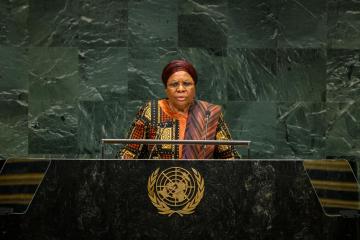
Allexer Namundjembo
The Meat Corporation of Namibia (Meatco) has secured an additional allocation of beef export quota to Norway after fully utilising its 2026 allocation by the end of June, several months earlier than last year.
The state-owned exporter said the early utilisation of its initial Norwegian quota is expected to generate about N$265 million in export earnings.
The additional 344 766-kilogram allocation, secured through a quota-sharing arrangement with Botswana under the Southern African Customs Union–European Free Trade Association (SACU-EFTA) framework, is projected to add a further N$100 million.
If fully utilised, Meatco’s Norwegian exports could generate an estimated N$365 million during the 2026 calendar year.
According to Meatco, the company exhausted its initial allocation by the end of June, compared to November last year, reflecting stronger demand for Namibian beef in the Norwegian market.
Under Namibia’s quota management framework, Meatco receives 75% of the country’s annual Norwegian beef quota, while Beefcor is allocated the remaining 25%.
Following the depletion of Meatco’s allocation, Botswana made part of its unused quota available under a government-to-government agreement, enabling Namibia to access additional export volumes.
Meatco’s interim chief executive officer Albertus Aochamub said the company aims to fully utilise the additional allocation before the end of December.
“Fully utilising our Norwegian quota by June is a significant milestone for Namibia’s beef industry and demonstrates the continued confidence that international customers place in premium Namibian beef,” he said.
He added that the additional quota would help maximise returns from premium export markets while benefiting livestock producers.
Aochamub also thanked the governments of Namibia and Botswana, the ministry of international relations and trade, and the Botswana Meat Commission for facilitating the arrangement.
Norway remains one of Meatco’s premium export destinations, with the market valuing Namibia’s animal health standards, traceability systems and food safety practices.
The company said it will focus on fully utilising the additional allocation to strengthen export earnings and improve returns to producers.
Meatco is a state-owned beef processor and exporter, tasked with processing, marketing and supplying Namibian beef to international markets.
The company generates most of its export revenue through premium overseas markets while also supplying regional destinations across Africa, balancing high-value quota markets with volume-based trade.
Europe remains Meatco’s most lucrative export destination, supported by preferential trade agreements that allow Namibian beef duty-free access to key markets.
The Netherlands serves as the main gateway into the European Union through distributor Jan Zandbergen Group, while Norway is one of Meatco’s most significant markets under the Southern African Customs Union-European Free Trade Association (SACU-EFTA) quota system, contributing an estimated 20% of the company’s annual turnover.
The United Kingdom also remains an important destination for chilled and frozen beef exports under post-Brexit bilateral trade arrangements.
Over the past decade, Meatco has sought to diversify its export portfolio beyond Europe. China opened its market to Namibian beef following regulatory approvals, making Namibia one of the few African countries authorised to export beef to the Asian giant.
In 2020, Meatco also secured access to the United States market, enabling exports of manufacturing beef and selected premium cuts into North America.
Within Africa, regional trade plays an important role in absorbing production volumes and serving markets with different product requirements.
South Africa remains a consistent buyer of both live cattle and processed beef products, while Angola imports frozen beef through overland supply routes for its retail and wholesale sectors.
More recently, Meatco has expanded exports to countries such as Ghana and the Republic of the Congo as part of efforts to establish stronger trade corridors in West and Central Africa.