
Patience Makwele
Young people in rural communities want access to land and support to start businesses, saying they should not have to leave their homes to find opportunities elsewhere.
Their concerns follow President Netumbo Nandi-Ndaitwah’s call for traditional authorities to make communal land available for agricultural ventures and ecotourism.
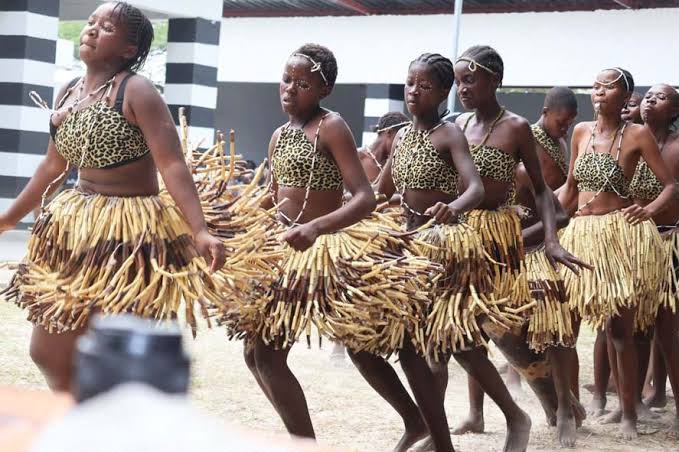
Speaking at the 45th annual Lusata Cultural Festival at Chinchimane in the Zambezi Region on Sunday, young entrepreneurs said the president’s remarks offered hope, but stressed that turning such opportunities into reality would require more than promises.
Gift Limbo, a broiler chicken entrepreneur, said many young people have business ideas but continue facing the struggle and challenges to get started because they lack access to land.
“Well, I was happy to hear that, because most of us young people want to do something for ourselves. You can have an idea, you can even know what you want to farm, but where do you start when you don’t have land?” he said.
Limbo said access to land could help young people create their own livelihoods instead of waiting for formal employment.
“Not everyone is going to get a job in town, and honestly, some of us are tired of waiting. If I can get a piece of land and start something, even if it’s small, at least I know I’m working towards something.”
He said land alone would not be enough to make their businesses successful, pointing to the need for financial support to acquire equipment and other essentials.
“You still need money to buy equipment, seeds and all those things. That’s where I think the government should also come in,” he said.
Limbo said he hoped the president’s call would lead to practical steps, particularly clearer information on how young people could apply for communal land.
“I don’t want us to just go home and forget about it. We hear these things at gatherings, and everyone gets excited, but then what?” he said.
“I would like to see young people being told exactly where to go and what to do if they want to apply for land. Make it easier for us to understand the process.”
The president’s call was delivered on her behalf by urban and rural development minister James Sankwasa, who urged traditional authorities to work with the government in advancing the objectives of the Sixth National Development Plan (NDP6).
Nandi-Ndaitwah also emphasised the need to equip young people with skills, discipline and opportunities to participate in the economy.
For Imelda Kumaiba, 32, who works in the tourism sector, the festival’s message was important because it linked cultural preservation with economic development.
“Sometimes you feel like people think young people are forgetting their culture because we are interested in modern things. But we can have both. We can know where we come from and still want to make money, start businesses and have a better life,” she said.
Kumaiba said local culture and attractions could offer young people opportunities to earn a living through tourism.
“There’s so much here that people don’t know about. Even the things we grew up seeing every day can be interesting to someone visiting from another place,” she said.
She said young people could be involved in guiding visitors, selling traditional products and starting small businesses linked to tourism.
“Yes, our parents are always at the conservancy office to make traditional crafted products but their way of advertising is not like ours. Which I believe can push the tourism sector if youths are included. But we need to be part of these plans. Don’t just decide everything for us and then tell us to come and participate, here at the village you only find few older people still welcoming tourists but when us young people try to apply they say we don’t have what it takes because we are too classy or modern but they forget we are the ones with modern ideas that can lift us from surviving from mouth to mouth or pay check,” she said.
Kumaiba urged traditional leaders to listen to young people and involve them in decisions affecting their communities.
“Please remember that we are also part of these communities. Sometimes decisions are made, and young people only hear about them afterwards. We also have ideas. Maybe they won’t all work, but at least give us a chance to try.”
She said creating opportunities in rural areas could help young people build their futures without having to relocate in search of work.
“We don’t want to leave our homes just because we cannot find opportunities here,” she said.


