Patience Makwele
Regional councillors are facing renewed scrutiny over limited decision-making powers, inadequate funding and delays in transferring government functions, raising concerns that continue to raise questions about whether the system is delivering on its promises nearly three decades after Namibia adopted its decentralisation policy.
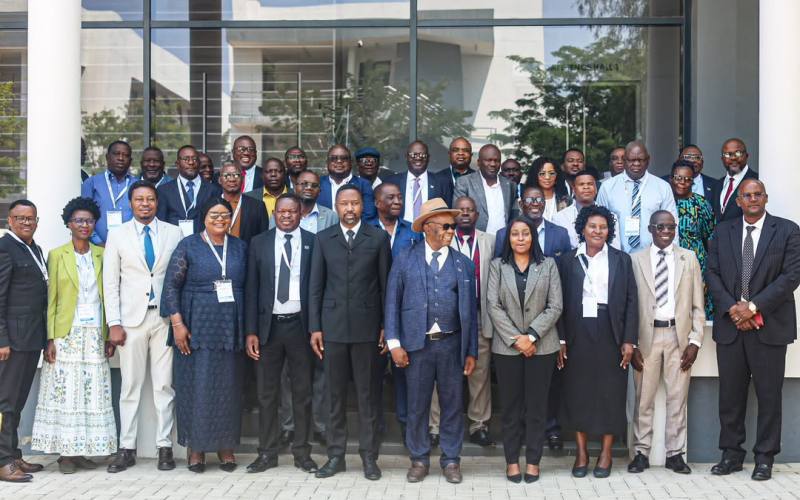
The concerns formed the backdrop to the Third National Council and Regional Councils Consultative Conference, which opened in Otjiwarongo on Tuesday, with delegates expected to discuss the progress of decentralisation, regional development and the responsibilities of political office-bearers and administrators.
The parliamentary standing committee on urban and rural development and land reform was informed in July that 42 functions from six ministries had been coordinated for decentralisation, although most had been delegated rather than devolved.
Under delegation, regional councils perform functions on behalf of the central government, while devolution gives them the authority to exercise those functions in their own capacity.
The functions cover education, health, agriculture, works and transport, gender equality, and information and communication technology.
The parliamentary committee was also told that the decentralisation programme remained slow, with inadequate funding and poor coordination among the challenges.
National Council Chairperson Lukas Sinimbo Muha said the relationship between the two levels of councils was critical to making decentralisation work.
“Article 74 and 108 of the Namibian Constitution remind us of our symbiotic working relationship, whereby National Council and Regional Councils are distinct in their mandates yet inseparable in nature,” Muha said.
He said the conference should allow the councils to exchange views, harmonise their approaches and strengthen collaboration.
“The theme calls upon each of us to deepen democratic governance by ensuring that citizens are not passive observers but active participants in shaping policies and development,” Muha said.
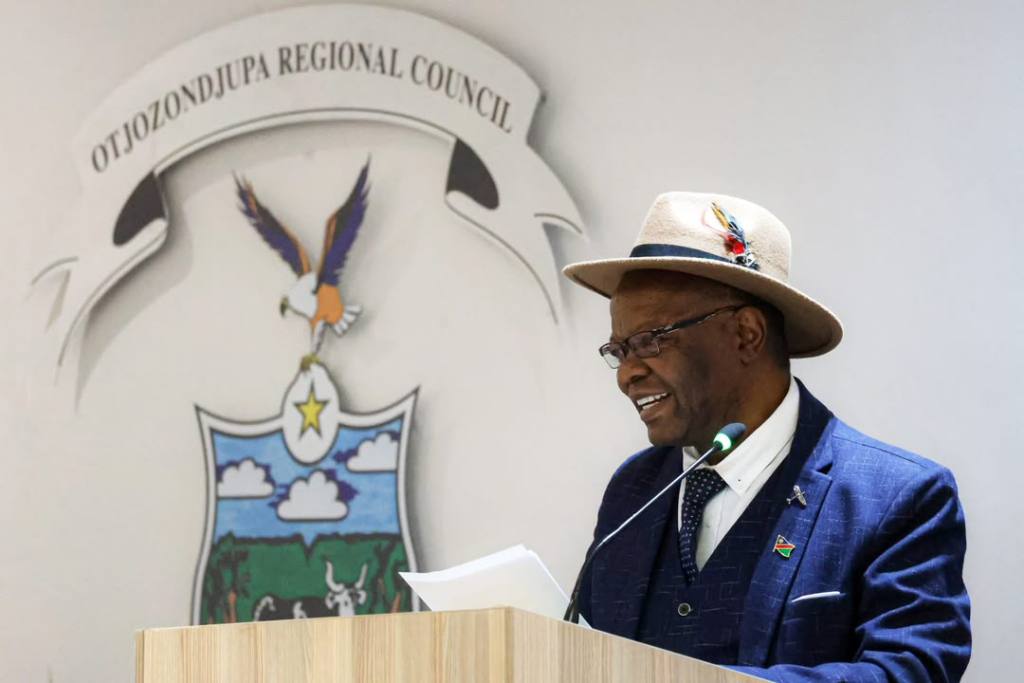
However, Otjozondjupa governor John Julius //Khamuseb said participation should be measured by whether it changes the lives of communities.
“The true measure of participatory democracy is not simply the opportunity to participate, but whether people’s participation has a meaningful influence on decisions and development outcomes,” //Khamuseb said.
He said communities continued to face unemployment, poverty, water and sanitation challenges, infrastructure gaps and limited access to public services.
At the same time, //Khamuseb said Otjozondjupa had potential in agriculture, livestock, tourism, mining and trade, but unlocking that potential required stronger coordination, accountability and transparency between the different levels of government.
National Council vice-chairperson Emma Muteka said delegates would have to confront difficult questions around decentralisation, the relationship between administrative and political responsibilities, the Constituency Development Fund and strengthening regional councils.
“The conversations ahead will require honesty, courage and a willingness to listen to one another,” Muteka said.
She urged delegates to keep communities at the centre of the discussions.
“As we begin, let us remember those whose voices are entrusted to us but who are not seated in this room: the young person waiting for an opportunity, the mother seeking better services, the farmer working to sustain a livelihood, and the community waiting for development. They are the reason we are here,” she said.
The slow pace of decentralisation has also raised questions about whether regional councils have the resources and capacity to take on more responsibilities.
Government budget documents for 2025/26 allocated N$17.848 million for decentralisation activities, including the handover of gazetted functions and work towards assessing implementation and finalising an action plan.
The government has also been working on an inter-governmental fiscal transfer policy intended to address the financial arrangements required as functions move to lower levels of government.
The Regional and Constituency Development Fund Bill, meanwhile, remains at the Second Reading stage in the National Assembly after being introduced in 2024.
Konrad-Adenauer-Stiftung Namibia-Angola representative Dennis Zaire said decentralisation would require more than simply moving functions between institutions.
“Decentralisation is not only about structures and responsibilities; it is also about ensuring that institutions have the capacity and resources to fulfil their mandates and that citizens have meaningful opportunities to participate in decisions that affect their communities,” Zaire said.
Muha said the councils needed to work together to make the system more effective.
“Our work is most impactful when we act together,” he said.
“By pulling our expertise and resources together, we can amplify our effectiveness and deliver tangible results for our people.”
The conference runs until 2 October, with delegates expected to deliberate on decentralisation, regional development, council functions and ways of strengthening participatory governance.