Sostenus Wilherm
Namibia recorded a suicide rate of 18 deaths per 100 000 people during the 2024/25 reporting period, exceeding the estimated African regional average of 11.
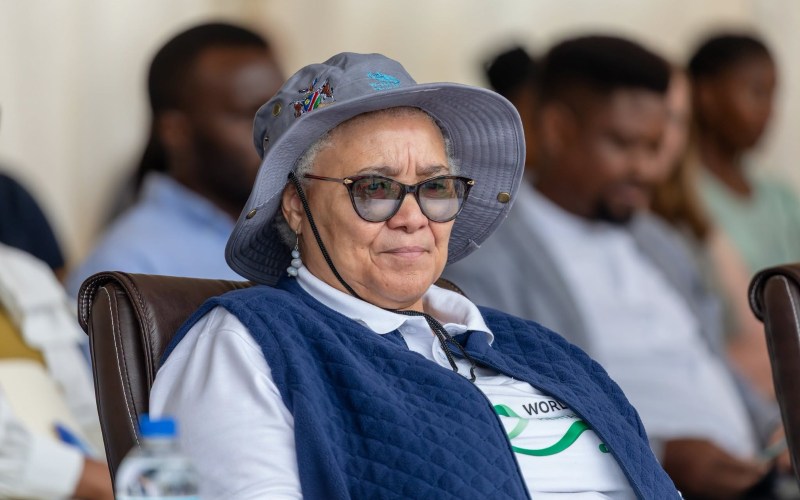
Vice President Lucia Witbooi called for urgent action to strengthen mental health services and address the stigma that prevents people from seeking help.
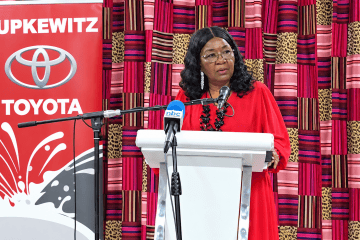
Speaking at the commemoration of World Mental Health Day in Windhoek on Saturday, Witbooi said the figures highlighted the need for stronger suicide prevention measures, early intervention and improved access to mental health care, particularly for people who struggle to obtain professional support.
“This comparison is a serious call to action. We must therefore turn these figures into urgent, sustained action, strengthen prevention and early support, make services easier to reach and ensure that the voices and experiences of affected people shape the response,” she said.
Witbooi said Namibia recorded more than 100 000 mental health service contacts during the 2024/25 reporting period, comprising approximately 91 500 outpatient consultations and 11 400 cases requiring inpatient admission.
However, she cautioned that the figures only reflected people who accessed services and did not account for those who needed treatment but were unable to obtain it.
The vice president said mental health challenges had consequences extending beyond individuals, affecting families, communities and the country’s social and economic development.
“These figures carry profound human consequences. A suicide can leave children without a parent, families grieving the loss of a loved one and communities deprived of the contributions and potential of their members,” she said.
She added that mental health conditions could affect relationships, education, livelihoods and people’s ability to participate fully in society, making it necessary for the country to treat mental well-being as a national priority.
Witbooi said the burden was often worsened by the fear of being judged, misunderstood or excluded from decisions concerning one’s own life.
She urged Namibians to challenge the stigma surrounding mental illness and create environments where people could seek assistance without shame.
Witbooi said residents who participated in the “Walk in My Shoes” session, alongside art, crafts and dance performances, had demonstrated the importance of listening to people with lived experiences.
“Your stories are not just narratives of struggle, they are blueprints for a better system,” she said.
She encouraged participants to continue sharing their experiences, saying their testimonies could give hope to others facing similar challenges and help break the silence surrounding mental illness.
Witbooi also welcomed the adoption of the Mental Health Bill by the National Assembly in June 2026 and the National Council in August, paving the way for its signature into the Mental Health Act of 2026.
She said the legislation provides for the protection of the rights and dignity of people receiving mental health care, as well as decentralised, community-based services in line with the Sixth National Development Plan.
However, she warned that the legislation would have little impact without proper implementation.
“However, a law on paper is only the beginning. We must put the same energy into its implementation as we did into its drafting,” she said.
The government, through the ministry of health and social services, remains committed to making mental health services accessible and affordable across the country, with the aim of ensuring that people do not suffer financial hardship when seeking treatment.
Windhoek Central Hospital houses Namibia’s largest specialised mental health care unit, with 206 beds for civil and forensic psychiatric patients.
The unit provides treatment through a multidisciplinary team that includes psychiatrists, clinical psychologists and occupational therapists.
Regional mental health units also operate at Oshakati and Rundu Intermediate Hospitals, as well as Swakopmund and Katima Mulilo district hospitals.
Witbooi acknowledged, however, that regional facilities face shortages of clinical psychologists and occupational therapists, resulting in complex cases being referred to Windhoek.
She said the health ministry was working to address the staffing shortages.
She called on government institutions, employers, schools, religious organisations and communities to share responsibility for improving mental well-being, stressing that the challenge could not be addressed by the health sector alone.
“Mental health is not the responsibility of one Ministry or one profession alone. The change we want does not belong to the government alone. It is the responsibility of every sector of the Namibian economy, and indeed the responsibility of every Namibian,” she said.
Witbooi urged employers to create supportive workplaces where workers could discuss mental health challenges and seek assistance without fear of stigma or discrimination.
She also called for investment in parks, playgrounds and pathways to encourage physical activity and promote mental well-being.
She said the commemoration should translate into practical action beyond the annual event, with stakeholders expected to help build a society where people affected by mental health conditions could access appropriate support and live with dignity.
“Let us carry the momentum of this day forward into every day of the year. Once again, let us turn listening into action,” she said.