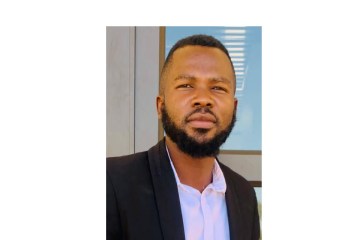
Matheus Hangula
Credit must be given where it is due. It is very rare to hear the media fraternity in Namibia being praised for the role it plays; instead, people tend to criticise it.
The media deserves a round of applause because they have been giving space and making sure that the people are kept updated on time without delay.
It was through the media that President Netumbo Nandi-Ndaitwah received the news about the 16-year-old from Omutundungu village who drowned baby twins in a pond, and as a result, he was conferred with a heroism medal class three.
This tells us that we need the media to tell our story and to know what is happening inside and outside of the country.
Our newspapers, radio broadcasts, and even NBC have really improved in terms of reporting, and the good thing is that they have valued the existence and contributions of political parties, particularly the opposition ones, in the democratic Republic of Namibia.
Shortly after independence, political opposition parties suffered by not having their political party activities covered or aired.
As a matter of fact, a democratic media should not only report on the activities and statements of the ruling party (Swapo), but it is also imperative to give Namibian people an opportunity to hear what other political parties have to contribute to building our country and the well-being of its citizens.
When opposition parties’ voices are given equal opportunities in terms of coverage, the public members out there watching or listening can have a better understanding of issues that require public input.
For instance, take a look at the debate that attracted the most contributions from members of parliament (MPs), which is the Ombudsman Bill, which sought a constitutional amendment to extend the powers and functions of the office of the Ombudsman.
Many MPs argued that the Ombudsman has limited power to investigate and carry out its duties fully.
Because parliamentary sessions used to be covered live, members of the public were also given the opportunity to follow and consult their representatives in Parliament to add their voices to the discussion.
That is why I am praising the media fraternity for their inclusive reporting.
Challenges faced by the media
Over the years, our newspapers or individual journalists have been subjected to threats, especially from politicians, after reporting their wrongdoing, and some lost their jobs simply because they posed critical questions to political leaders.
A recent practical example was that of NBC presenter Anna Nikodemus, who was suspended for questioning the health status of President Netumbo Nandi-Ndaitwah, and that of Jemima Beukes, a former journalist at The Namibian Sun newspaper, for being accused of reporting falsely about green hydrogen, even though I know what transpired when she exposed cats roaming at Katutura Hospital during the visit of former President Hage Geingob.
All those incidents show us how our journalists really need a strong body to protect them from threats, to do their work without fear or intimidation from anybody.
I am also proposing that due to financial constraints, some independent newspapers are not able to deploy their reporting staff countrywide despite the big role they are playing to ensure that members of the public are updated.
I think a budget should be allocated to non-government newspapers to be able to have smooth operations, but allocating a budget should not erase press freedom and independence.
In conclusion, the media must maintain political reporting inclusion, and journalists and presenters should embrace upholding accuracy, fairness, unbiased reporting, independence, and the right of reply, as stipulated in the module of principles of journalism.
Our Namibia’s media fraternity is doing an excellent job and deserves support and recognition from everyone, because a healthy democracy needs a media environment where leaders can be questioned, opposition political parties are given equal opportunities to build Namibia, and its citizens make informed decisions based on the information presented to them.
*Matheus Hangula is a Namibian writer