Staff Writer
Namibia has secured US$56 million (about N$940 million) in catalytic climate financing from the Green Climate Fund (GCF) to support the development of green hydrogen and associated industrial projects through the SDG Namibia One Fund.
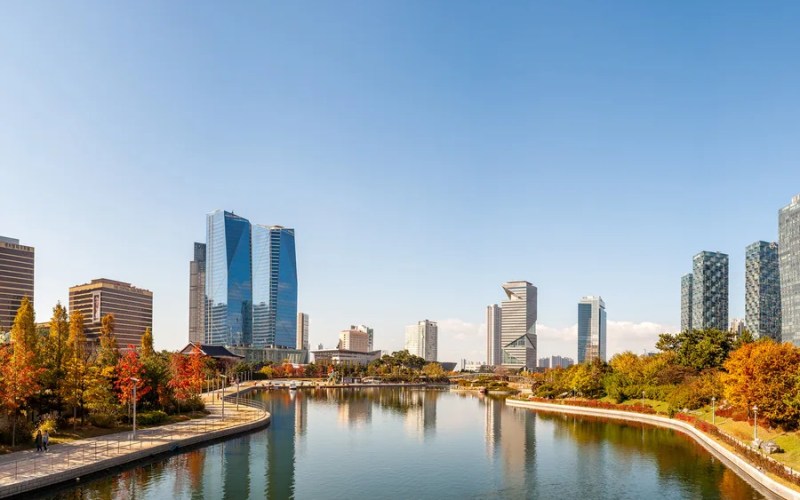
The funding forms part of US$140 million approved for Climate Investor Three (CI3), a global blended finance facility managed by Climate Fund Managers, at the GCF’s 46th Board meeting held in Songdo, South Korea.
Of Namibia’s allocation, US$15 million will go towards the fund’s Development Tranche to finance early-stage project development, while US$41 million will be allocated to its Construction Equity Tranche to support projects through construction.
South Africa will receive the remaining US$ 84 million through its SA-H2 Fund.
The funding will be channelled through the Southern African Industrial Decarbonisation Facility (SIDF), the GCF’s first financing platform dedicated to decarbonising industrial value chains in Africa.
The Development Bank of Southern Africa (DBSA) is the GCF-accredited entity responsible for programme oversight, monitoring and reporting.
In Namibia, the financing will support green hydrogen production, downstream industries such as green ammonia and green methanol, and the decarbonisation of industrial activities.
The SDG Namibia One Fund is managed by Namibia Energy Transition Fund Managers, a partnership between Climate Fund Managers, Invest International and the Environmental Investment Fund of Namibia (EIF).
EIF chief executive Benedict Libanda said the financing would help address the capital and technical expertise requirements needed to develop Namibia’s green hydrogen industry while increasing local participation.
Namibia has already attracted development funding agreements through SDG Namibia One for four projects: the Hyphen green hydrogen project, HyIron’s Oshivela green iron project, ZheroMolecules’ Walvis Bay green ammonia project and the Dâuresgreen fertiliser project.
The wider Southern African facility aims to mobilise US$1.2 billion across Namibia and South Africa, finance between 30 and 40 projects, install approximately 1.52 gigawatts of renewable energy capacity and avoid an estimated 24.2 million tonnes of emissions.
DBSA group executive for programmes, Phindile Masangane, said the approval would support projects in sectors where emissions are difficult to reduce while supporting economic growth and employment.
The financing uses a blended finance model that combines public and private capital, with concessional funding intended to reduce investment risks and attract commercial and institutional investors.
Climate Investor Three has a global fundraising target of US$1.2 billion and has already secured commitments from public and institutional investors.
Its Development Tranche received initial commitments of EUR 150 million from Invest International and the European Commission under the European Union’s Global Gateway initiative.
In August 2026, South Africa’s SA-H2 Fund reached a first close of R3 billion with commitments from the Public Investment Corporation, Sanlam Life, the Industrial Development Corporation and DBSA.
SDG Namibia One also has backing from Invest International and the European Commission.
Climate Fund Managers chief executive Andrew Johnstone said the facility would direct capital into commercial investments aimed at reducing greenhouse gas emissions and supporting climate adaptation.
Climate Fund Managers said it would continue mobilising public and private capital towards the US$1.2 billion target to finance the development and construction of energy transition and green hydrogen infrastructure in Namibia and South Africa.