National Council member says N$561m allocated to OPM is inadequate as Government sets aside N$26m to settle outstanding drought-relief invoices
Desmarius Hansen
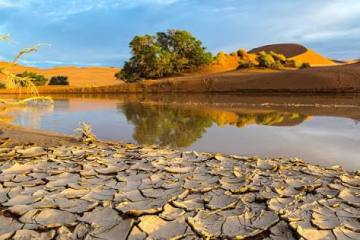
Namibia should increase the Office of the Prime Minister’s (OPM) budget allocation to N$2 billion to strengthen the country’s response to climate-related disasters, a National Council member has argued, warning that the current funding is inadequate to deal with droughts, floods and veld fires.
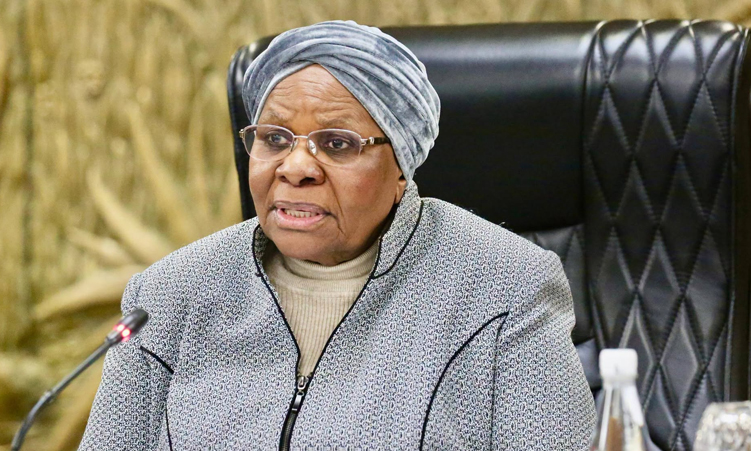
Andreas Amundjindi made the appeal during debate on the Appropriation Amendment Bill 4 of 2026, questioning whether the N$561.4 million allocated to Vote 02, the OPM, is sufficient to meet the country’s growing disaster-management needs.
“N$561 million sounds like a lot until you divide it by three million Namibians, by 14 regions, by three disasters happening at the same time: floods, drought and veld fires,” Amundjindi said.
He argued that the allocation should not be mistaken for sufficient funding to protect the country against the growing effects of climate change.
“To call it enough is to confuse running an office with saving a nation from climate change,” he said.
Amundjindi said Namibia would need approximately N$265 billion by 2030 to implement its climate plan, covering both climate adaptation and the transition to a low-carbon economy.
He described the OPM allocation as representing only 0.2% of the estimated requirement and called for the budget to be increased from millions to N$2 billion by next year.
“Climate change needs billions, not millions, and it needs prevention money before the disaster, not relief money after,” he said.
His call comes as the 2026/27 Mid-Year Budget Review provides an additional N$26 million to Vote 02 to settle outstanding drought-relief invoices.
The allocation is intended to pay transporters and suppliers who delivered relief supplies during the previous drought but have yet to receive payment.
In a separate contribution to the Bill, the deputy minister of justice and labour relations and Dâures constituency councillor Inesia Brandt warned that the outstanding payments could undermine Namibia’s ability to respond effectively when the next drought strikes.
Many of the affected suppliers are small businesses operating in the regions, some of which employ people from local communities.
“If we do not pay them, we cannot expect them to respond quickly the next time we call on them,” she said.
Brandt also warned that anticipated El Niño conditions could have serious consequences for workers, particularly those employed in agriculture, construction and other outdoor industries.
The Namibia Meteorological Service has forecast hotter and drier conditions during the current rainy season, with maximum temperatures between October and December expected to be above average and up to 2°C higher in parts of the south-east.
Farmworkers could be among the first to lose their jobs as farmers sell livestock and leave land unplanted, while seasonal workers risk losing income when drought conditions affect harvests, Brandt said.
The ministry’s labour inspectors are expected to prioritise farms and other outdoor workplaces during the hottest months, particularly to ensure that workers have access to drinking water, shade and adequate rest.
She further said employers remain bound by the Labour Act to provide safe working environments, while any drought-related retrenchments must follow established procedures.
The Appropriation Amendment Bill gives effect to the 2026/27 Mid-Year Budget Review, which revises total government expenditure to N$105 billion.
According to Brandt, all offices, ministries and agencies absorbed a 2% reduction in their expenditure ceilings to help fund the response to foot-and-mouth disease.
The debate has renewed questions about whether Namibia’s current budget allocations are sufficient not only to respond to emergencies, but also to strengthen preparedness, protect livelihoods and ensure that communities and suppliers are better equipped before disasters strike.