Patience Makwele
A medical specialist has called for greater emphasis on informed consent and open communication between doctors and patients, warning that many medical-legal disputes arise not necessarily from poor treatment but from misunderstandings, unmet expectations and breakdowns in communication.
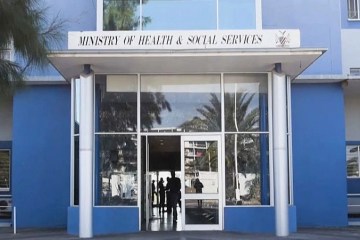
The issue comes amid growing attention on medical negligence claims in Namibia. Records indicate that the ministry of health and social services paid compensation in 45 medical negligence claims between 2019 and 2024 with the payouts amounting to almost N$14.7 million.
While the figures do not capture all complaints or disputes involving private healthcare providers, they highlight the financial and human consequences of cases that escalate into legal action.
Specialist obstetrician and gynaecologist Dr David N. Emvula says informed consent remains one of the most important safeguards against medical litigation, yet it is often misunderstood as simply signing a form before treatment or surgery.
“Informed consent is far more than a signature on a form. It is an ongoing, honest and evidence-based conversation between a doctor and a patient,” Emvula said.
He explained that healthcare practitioners have both a legal and ethical obligation to ensure patients understand their diagnosis, the proposed treatment or procedure, its expected benefits, potential risks and complications, limitations, and available alternatives, including the option of declining treatment.
According to Emvula, only after receiving and understanding this information can a patient make a meaningful decision about their care.
His comments come amid continued concerns around medical accountability and patients’ experiences within Namibia’s healthcare system.
For some patients, the issue goes beyond consent and extends to whether they receive the correct treatment and whether they have enough information to question decisions made by healthcare providers.
Catherine Nsala Nyambe recalled an experience involving her grandmother, who she said was given medication at a rural health facility that was not intended for her blood pressure condition.
“My grandmother was once given medicine by a nurse back in the days and it was very heartbreaking because she thought it was medicine for BP (blood pressure),” Nyambe said.
She said her grandmother’s condition worsened after taking the medication for about two weeks, prompting her to examine the medicine herself.
“I realised that it was not the right medicine,” she said.
Nyambe said the family approached the clinic, where officials apologised and explained that the medication was only meant to temporarily assist with reducing her grandmother’s blood pressure because the correct medicine was unavailable at the time.
She said the family did not pursue legal action but believes more conversations are needed about accountability within the health sector, particularly regarding elderly patients who may not always be able to question prescriptions.
“We have read a lot of cases about patients taking health facilities or healthcare institutions to court because of such issues. I think it is high time we, as a country, looked into this,” she said.
However, Nyambe also pointed to broader challenges within the public health system, including medicine shortages, saying accountability should not only focus on individual healthcare workers.
“On the other hand, as much as we blame such cases of negligence on health practitioners, we should also look at the government. What are they doing? We see reports almost every day of shortages, certain medications being out of stock and whatnot,” she said.
Legal practitioner Malcom Kayobo Sitwala said medical disputes must be assessed on the facts of each individual case, as not every poor outcome or patient complaint amounts to negligence.
He said informed consent is an important part of the relationship between healthcare providers and patients because it ensures patients understand the nature of the treatment, possible risks and available options before making decisions about their care.
“Patients have the right to receive information about their healthcare but legal claims require more than dissatisfaction with an outcome. There must be evidence that a healthcare provider failed to meet the required standard of care and that this caused harm,” Sitwala said.
Adding that open communication can help prevent disputes from escalating, particularly where patients feel they were not adequately informed about a procedure, medication or treatment plan.
Meanwhile, Emvula cautioned that not every negative medical outcome amounts to negligence.
“Medicine is not an exact science and complications can occur even when care is appropriate and consent is properly obtained,” he said.
He explained that proving medical negligence requires establishing that a healthcare provider owed a duty of care, breached that duty, that the breach directly caused harm, and that the patient suffered measurable damage.
“A poor medical outcome alone is not proof of wrongdoing,” he said.
Emvula encouraged patients to take an active role in their healthcare by asking questions, seeking clarity on diagnoses and treatment plans, verifying that healthcare providers are registered with relevant regulatory bodies, and obtaining second opinions where necessary.
He said healthcare should be viewed as a partnership between patients and practitioners, with trust built through transparent communication and shared decision-making.
“Clear communication, ethical practice, informed decision-making and shared responsibility remain the strongest safeguards against medical-legal disputes. In healthcare, as in life, prevention is better than cure,” he said.