CHAMWE KAIRA
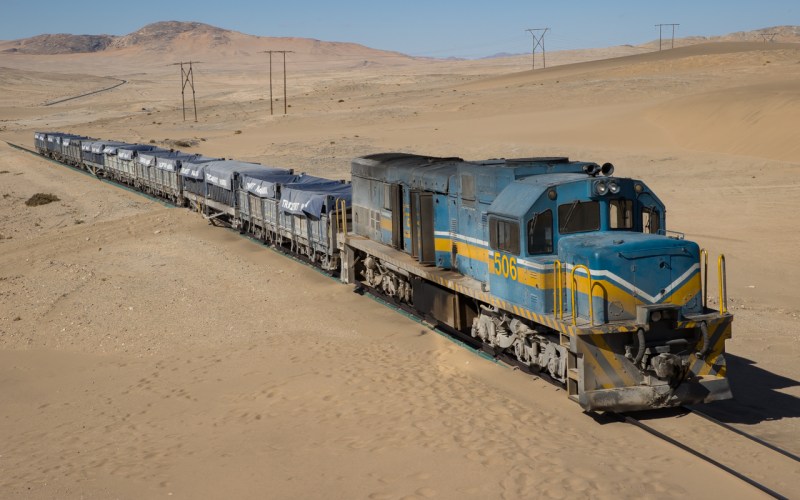
The remanufacturing of TransNamib’s locomotives will have to take place in Namibia, a requirement the ministry of works and transport says is intended to support the country’s Sixth National Development Plan (NDP6), skills transfer and job creation.
The ministry confirmed this in responses to questions from the Windhoek Observer following changes to TransNamib’s locomotive procurement plan, which now provides for the purchase of 15 new locomotives and the remanufacturing of 17 existing ones.
The revised plan replaces the earlier proposal to acquire 23 new locomotives and rebuild seven old ones.
According to the ministry, TransNamib evaluated several combinations of new and remanufactured locomotives for economic reasons and to reduce delivery timelines.
The final ratio was approved by the Lenders’ Technical Advisor, an independent technical adviser to the Development Bank of Namibia (DBN) and the Development Bank of Southern Africa (DBSA).
The ministry said new locomotives have a lead time of approximately 24 months, compared with about nine months for remanufactured locomotives.
The change is intended to provide TransNamib with reliable locomotives in the shortest possible time, while taking economic considerations into account.
The ministry denied that the revised procurement plan would bypass the Central Procurement Board of Namibia (CPBN), saying the acquisition of both new and remanufactured locomotives would be conducted through the board to ensure compliance with the Public Procurement Act.
It also clarified that the procurement process had not yet started, meaning no contract had been awarded for the refurbishment of the locomotives.
TransNamib’s locomotive renewal programme is aimed at improving the availability and reliability of its fleet, which is central to the state-owned railway operator’s freight operations.
The requirement that remanufacturing take place locally is expected to create opportunities for skills development and employment in Namibia, although the ministry did not provide projected job numbers or details of the local facilities that would undertake the work.
The ministry said the revised procurement process would proceed through the established public procurement framework.
In may this year, works and transport minister Veikko Nekundi ordered TransNamib to abandon plans to acquire 23 new locomotives from a single manufacturer and reopen the procurement process to allow competing suppliers to bid.
Following consultations with stakeholders, Nekundi said the ministry decided to cancel the bidding process.
The provision allows a public entity or the procurement board to reject bids or cancel a bidding process before a bid is accepted.
Nekundi warned that depending on one manufacturer could expose Namibia to trade disputes and unilateral sanctions, potentially affecting the country’s strategic interests.
The procurement has previously attracted allegations of political interference and a lack of transparency.