Staff Writer
Namibia’s private sector credit extension (PSCE) data for April points to a mid-expansion phase in the credit cycle, with broad-based improvements in lending activity but rising inflation now emerging as the dominant macroeconomic risk, according to Almandro Jansen of Simonis Storm.
At the same time, inflation has emerged as a key macroeconomic pressure point. Headline inflation jumped to 3.1% in April from 2.1% in March, marking the sharpest monthly acceleration in the post-pandemic period.
The increase was primarily driven by transport costs, which reversed from a 1.7% decline to a 5.0% increase, reflecting lagged pass-through effects from currency depreciation and higher global fuel prices.
As a result, Namibia’s inflation gap with South Africa narrowed to 90 basis points.
The inflation spike has significant implications for real interest rates. With the Bank of Namibia maintaining the repo rate at 6.50%, the real repo rate has fallen from 4.4% to 3.4%, while the real lending rate has eased from 7.5% to 6.5%.
While this supports near-term credit demand, it also erodes household purchasing power, creating mixed effects for the broader economy.
Monetary conditions are further shaped by liquidity dynamics. Net foreign assets (NFA) contracted at a slower pace, improving from -17.6% to -6.6%, supported by a rise in official reserves to N$58.8 billion driven by SACU inflows.
Meanwhile, broad money supply (M2) expanded by 10.5%, underpinned by a sharp 63.6% increase in net claims on central government, signalling a fiscal-driven liquidity environment.
The inflation acceleration has reinforced expectations that the Bank of Namibia will maintain its current policy stance. The base case is for the repo rate to remain at 6.50% through 2026, although the risk bias is shifting toward tightening should inflation exceed 5.0%.
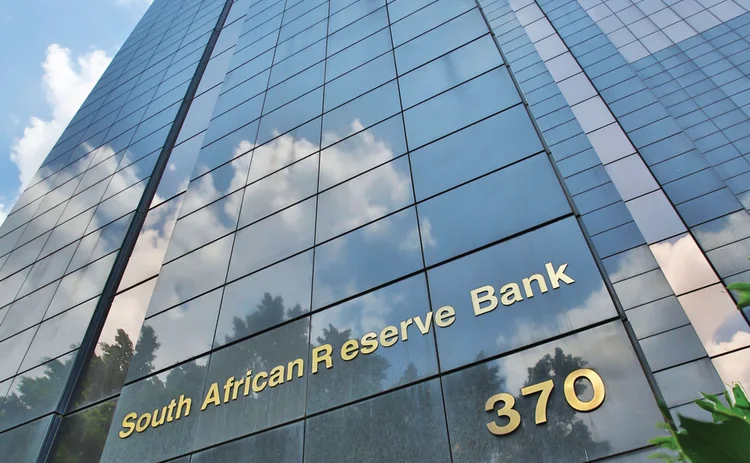
This outlook has been influenced by recent developments in South Africa, where the South African Reserve Bank raised its repo rate by 25 basis points to 7%, lifting the prime rate to 10.50% in its first hike since 2023.
The move followed an increase in South African inflation to 4.0% and signals growing concern over second-round price pressures.
Given Namibia’s currency peg to the South African rand under the Common Monetary Area, domestic monetary policy remains closely aligned with South African interest rate decisions.
The widening interest rate differential places pressure on capital flows and foreign reserves, reinforcing expectations that the Bank of Namibia will maintain parity-driven policy alignment.
Looking ahead, analysts expect PSCE growth to strengthen toward 5.0%–5.5% in the coming months, supported by both corporate and household borrowing.
However, the outlook depends on three key variables: the sustainability of corporate lending outside mining and construction, the trajectory of inflation, and the interaction between fiscal policy, money supply growth and external balances.
A sustained rise in inflation above 4.0%, combined with continued rapid money supply growth, could alter the credit cycle trajectory and increase the likelihood of tighter monetary conditions later in the year.