Patience Makwele
Private tertiary students could still face tuition shortfalls under the government’s subsidised tertiary education funding model, with education minister Sanet Steenkamp telling parliament that parents would have to cover the difference between government contributions and actual course fees.
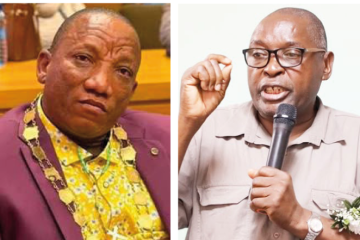
Responding to Independent Patriots for Change (IPC) MP Abed Hishoono in the National Assembly on Wednesday, Steenkamp said the government’s initial instruction was to focus on public universities and colleges before a task force considered how students at private institutions could also benefit.
Under the proposed arrangement, the government would pay private institutions a predetermined amount towards students’ course costs, while parents would be responsible for the balance.
“If a course is N$37 000, there’s a predetermined rate that we pay to the private institutions… and then the parents have to complement that, which is what the government is doing,” Steenkamp said.
However, the minister’s explanation did not establish whether the proposed arrangement had received final approval.
She told parliament that the government was proposing it to the treasury, the President and Cabinet.
Hishoono raised concerns about private tertiary students who were reportedly receiving only partial funding as they prepared to sit examinations.
“The students from private institutions are facing exams… and they are stressed out because they are told, we just funded a portion of your studies, not a hundred percent,” he said.
He referred to President Netumbo Nandi-Ndaitwah’s announcement in parliament on 8 April 2026, which outlined the government’s tertiary education funding model.
Steenkamp maintained that the policy for public institutions was subject to specific eligibility criteria, including priority fields of study and the minimum points required to enter those fields.
She said the distinction between the arrangements for public and private institutions had been communicated to stakeholders, including private institutions represented in the task force.
The exchange highlights the difference between the full tuition and registration subsidies available to eligible students at public institutions and the proposed capped contribution for students at private institutions, who may have to meet additional costs themselves.