Staff Writer
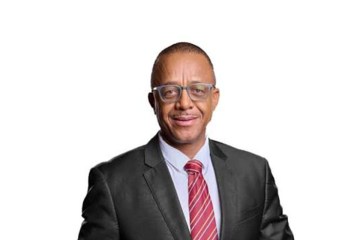
Bank of Namibia governor Ebson Uanguta last week completed a regional working visit to Kenya, Rwanda and Uganda as part of efforts to strengthen cooperation and learn from other African central banks.
The engagements focused on financial systems, digital transformation, banking supervision, oil sector management and economic policy.
Uanguta first visited the National Bank of Rwanda in Kigali, where he met governor Soraya Hakuziyaremye and deputy governor Nick Barigye.
During the visit, the Bank of Namibia and the National Bank of Rwanda signed a Memorandum of Understanding aimed at strengthening cooperation in economic research, financial inclusion, digital transformation, sustainable finance, innovation and staff training.
The Namibian delegation also held discussions on payment systems and digital financial infrastructure, including Rwanda’s national electronic payment switch.
The delegation then travelled to Uganda for meetings with the Bank of Uganda. Uanguta and his team were received by governor Michael Atingi-Ego and deputy governor Augustus Nuwagaba.
The discussions focused on Uganda’s preparations for commercial oil production, which is expected to begin by the end of 2026.
The two central banks discussed issues linked to oil revenue management, monetary policy, financial stability, reserve management and governance.
The delegation also met officials from the Petroleum Authority of Uganda to better understand Uganda’s oil and gas governance systems and sector developments.
Uanguta concluded the regional engagements with a visit to the Central Bank of Kenya in Nairobi, where the delegation met governor Kamau Thugge.
The visit followed earlier engagements between the two institutions during the 2025 Alliance for Financial Inclusion Global Policy Forum hosted by the Bank of Namibia, as well as a benchmarking visit by the Central Bank of Kenya to Namibia in late 2025.
The Bank of Namibia and the Central Bank of Kenya also signed a Memorandum of Understanding to strengthen cooperation in banking supervision, digital transformation, financial stability, research, innovation and capacity development.
During the talks, Kenya pointed out areas where they could work together and learn from each other, such as quick payment systems, managing money, rules for virtual assets, diversifying reserves by buying gold, retail bonds, capital market infrastructure, and joint research.
“Central banks today are operating in an environment shaped by rapid technological change, shifting geopolitical dynamics, climate-related risks and evolving financial systems. In this context, institutions cannot afford to operate in isolation. These engagements provided an important opportunity to exchange practical experiences, deepen technical collaboration and strengthen institutional networks that will support more responsive, resilient and forward-looking policymaking across the continent,” said Uanguta.