Staff Writer
Protecting livestock and the livelihoods they sustain will take centre stage at the 2026 Bank Windhoek Agriculture Series on Friday, 30 October 2026.
Held under the theme “Foot-and-Mouth Disease: Safeguarding Herds and Sustainable Livelihoods,” the event will bring together leading experts and agricultural stakeholders to discuss practical responses to Foot-and-Mouth Disease (FMD) and its impact on Namibia and Southern Africa’s agricultural sector.
The discussion follows the confirmation of FMD in the Karasburg State Veterinary District in the //Kharas Region on 23 September.
According to an update from the Ministry of Agriculture, Fisheries, Water and Land Reform, 131 animals had tested positive across 18 farms by 13 October 2026, with the outbreak confined to the district at that date.
Surveillance, vaccination and livestock movement controls are continuing as authorities work to contain the disease and prevent further spread.
FMD is a highly contagious viral disease affecting cloven-hoofed animals, including cattle, sheep, goats, pigs and certain wildlife.
Although it does not pose a public health risk, an outbreak can severely disrupt livestock production, trade, employment and household incomes.
The effects of restrictions and operational disruptions extend beyond farms to processors, transporters, retailers and rural communities, placing both farmers’ and farmworkers’ livelihoods at risk.
Since its inception in 2018, the annual Bank Windhoek Agriculture Series has brought farmers, experts, researchers, policymakers and industry leaders together to share knowledge and discuss issues shaping the resilience, sustainability and long-term growth of Namibia’s agricultural sector.
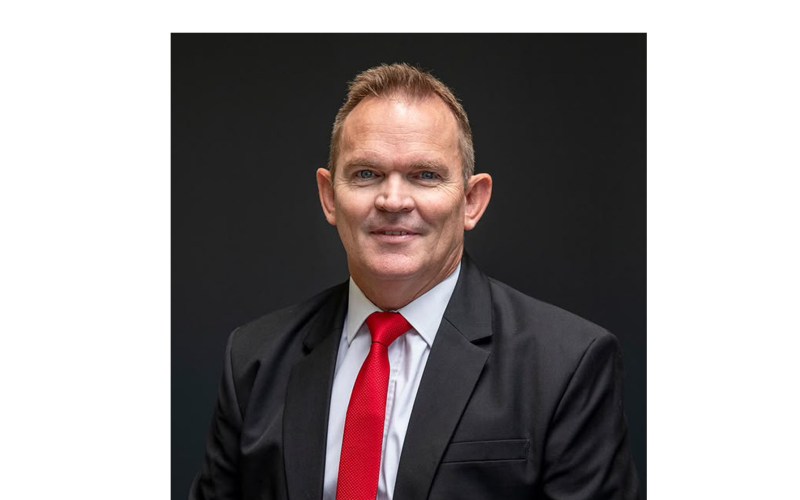
“Agriculture sustains livelihoods, strengthens food security and contributes significantly to Namibia’s economy. The current FMD outbreak requires informed, coordinated and practical action. Through the Agriculture Series, Bank Windhoek aims to support constructive engagement that helps farmers and the wider value chain understand the risks, strengthen preparedness and contribute to the protection of Namibia’s herds and agricultural livelihoods,” said Bank Windhoek’s executive officer of retail banking services, Leon Koch.
The programme will examine the current FMD situation and practical measures for disease prevention and control, including farm-level biosecurity, livestock movement compliance, surveillance and early reporting.
Experts will also discuss how farmers, veterinary authorities, policymakers, local government, industry partners and financial institutions can work together to protect livestock, sustain livelihoods and support the sector’s recovery.
Koch said Bank Windhoek’s support reflects its recognition of agriculture as a cornerstone of rural development and economic resilience.
“As a 100% locally owned Namibian bank, it remains invested in the sector’s sustainability. The bank remains committed to facilitating relevant conversations and partnerships that contribute to a more informed, prepared and sustainable agricultural sector,” he said.