CHAMWE KAIRA
Namibia’s vehicle market registered 1 380 units in August 2026, an 8.6% increase from the 1 271 units recorded in August 2025, but 10.1% lower than the 1535 units registered in July.
The August performance was the weakest year-on-year growth recorded so far in 2026, reflecting a moderation in market growth as comparisons become more difficult against the recovery recorded during the second half of 2025, Simonis Storm.
A total of 10 760 vehicles were registered during the first eight months of 2026, putting the market 12.1% ahead of the corresponding period in 2025.
Passenger vehicles accounted for 634 units in August, down from 755 units in July but 5.1% higher than the 603 units recorded in August 2025.
Light commercial vehicles (LCVs) recorded 615 units, representing year-on-year growth of 2.3%.
The commercial and heavy-vehicle segments continued to show stronger growth. Extra-heavy vehicles (XHVs) increased to 72 units from 32 a year earlier, while heavy commercial vehicles (HCVs) rose to 28 units from four.
Toyota’s Hilux remained dominant in the LCV segment, contributing about 347 units, equivalent to 56.4% of all LCV registrations.
Toyota’s broader LCV range, including the Hilux, Land Cruiser pick-up and Hi-Ace derivatives, accounted for 422 units, or 68.6% of the 615 LCV registrations.
The passenger vehicle market also saw a moderation in the contribution of Chinese brands. They accounted for 78 units, representing 12.3% of passenger vehicle registrations in August, compared with 19.2% in July and a peak of 23.5% in May.
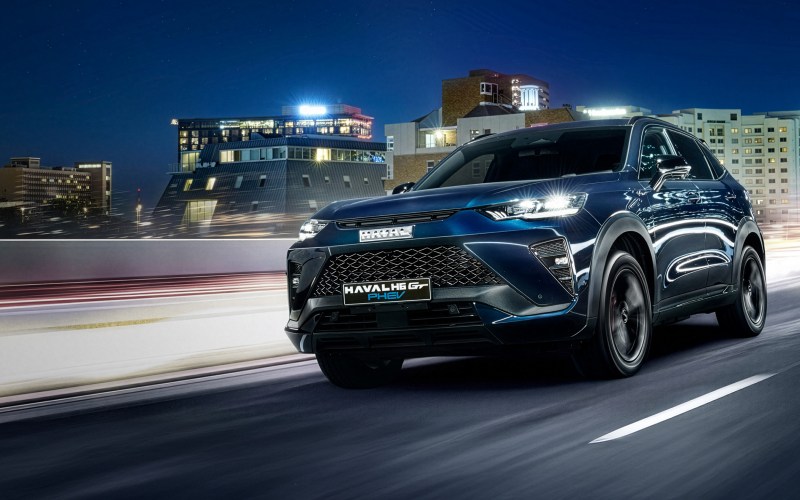
Within the group, Jetour registrations declined to 22 units from 58 in July, while Chery recorded no registrations compared with 14 in July. Haval recorded 37 units and GWM nine passenger vehicles.
The August figures also came against a less supportive monetary policy environment. The Bank of Namibia kept its repo rate at 6.75% in August, while headline inflation accelerated to 5.0%.
The central bank also revised its 2026 economic growth estimate to 2.1%, compared with the 3.1% growth assumption contained in the national budget.
Simonis said the higher interest-rate and inflation environment could put pressure on passenger-vehicle affordability, while commercial and resource-linked vehicle demand is expected to remain comparatively resilient.
Based on a full-year forecast of between 15 500 and 16 500 vehicle registrations, the market would need to average about 1 185 to 1 435 units a month from September through December to reach the forecast range.
“Potential risks to the outlook include a sharper depreciation of the rand, which could increase import costs and reduce household purchasing power. An increase in fleet and government procurement toward the end of the financial year could provide support to vehicle registrations,” Simonis said.