CHAMWE KAIRA
A N$50 million accounting blunder in which the ministry of agriculture, water and land reform double-reported a land purchase has been flagged by the Auditor-General as a key issue behind the ministry’s qualified audit opinion for the financial year ended 31 March 2025.
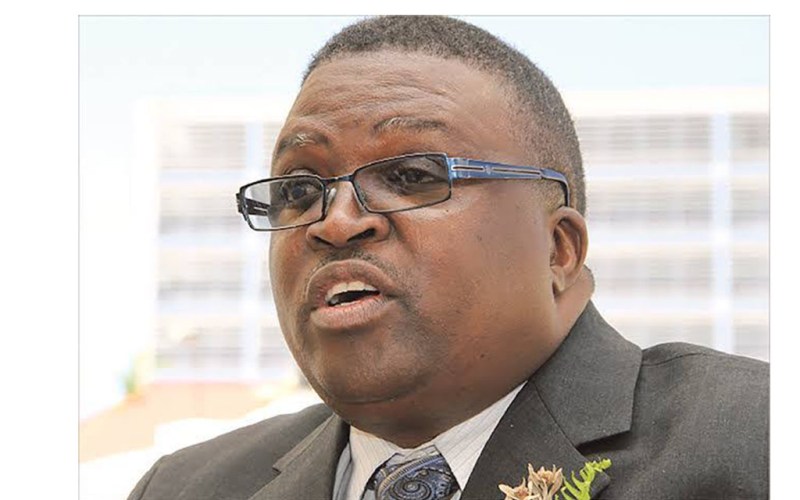
Auditor-General Junias Etuna Kandjeke said the N$50 million was incorrectly reported as a direct purchase of land and intangible assets, despite the money having already been allocated and transferred to the Land Acquisition and Development Fund (LADF) under a different budget line.
The error resulted in the amount being reported twice and overstated the ministry’s recorded land purchases, distorting its financial reporting.
The audit also found that the department of agriculture and land reform failed to spend N$101.06 million of its budget during the financial year, representing 4.66% of its total allocation.
Kandjeke said the unspent funds could have been used for other priority projects and service delivery initiatives.
The ministry attributed the underspending mainly to procurement delays, late tender awards and cancelled bids.
The emergency relief division, for example, failed to spend more than N$16 million allocated for the procurement of pesticides to control locust outbreaks because the procurement process was not completed before the end of the financial year.
The research, development and training division also failed to complete planned renovations, borehole drilling and staff housing projects during the year.
The underspending was accompanied by significant shortfalls in some of the ministry’s performance targets.
The ministry had planned to resettle 25 previously disadvantaged landless Namibians but managed to resettle only six during the year.
It also failed to hold any of the 12 planned bi-national consultative engagements aimed at affirming Namibia’s international boundaries.
However, the ministry exceeded its target for issuing Land Hold titles, issuing 375 certificates against a target of 102.
The audit noted that the ministry was able to overcome electronic system malfunctions with assistance from the German development agency GIZ.
The Auditor-General also raised concerns about weaknesses in the ministry’s asset management and internal controls.
Of 53 registered asset stock points, physical stocktaking was carried out at only 22 locations, leaving 31 locations without verification.
The ministry also reported 517 immovable properties, including houses and offices, but did not provide key baseline information such as their monetary values, purchase dates and exact street addresses.
In addition, the ministry reported N$10.15 million in losses and damages arising from irregularities involving government employees.