…as tourism push collides with Katima’s sanitation crisis
Patience Makwele
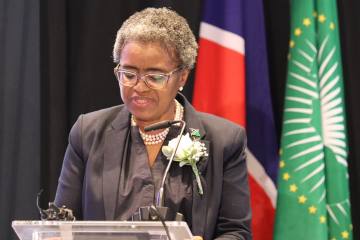
Urban and rural development minister James Sankwasa says Katima Mulilo’s worsening sewage crisis is a result of an aging sewer system that has exceeded its capacity, as concerns grow over the impact of failing infrastructure on the town’s tourism ambitions.
Sankwasa said the crisis was not caused by poor workmanship but by a system that was designed decades ago to serve a much smaller population and has not kept pace with the town’s growth.
“It is not a workmanship issue. It is a capacity issue,” Sankwasa told the Windhoek Observer on Monday.
He said Katima Mulilo’s sewer system was originally designed for a population of between 10 000 and 15 000 people, adding that the town now requires a complete overhaul of its sanitation network.
“The small ones [pipes that burst], Katima town council can maintain but overall, the whole improvement requires the whole sewer system of Katima to be redone,” he said.
Sankwasa’s comments come as residents and businesses continue to raise concerns over recurring sewage overflows in Katima Mulilo, warning that the situation threatens public health, investment and the image of a town preparing to position itself as a tourism destination.
The concerns come weeks before the 9th Zambezi Bream Festival and Cultural Expo, an annual event aimed at showcasing the region’s cultural heritage, promoting tourism and creating opportunities for local businesses.
Speaking at a fundraising gala dinner for the festival, Sankwasa said communities should use culture as a foundation for economic growth and employment creation.
“Let’s stick to our culture, it is helpful in tourism, and it is helpful in employment. Employment does not mean going and looking for a job. When you are self-reliant, you are self-employed,” he said.
He added that developing rural communities is essential for creating stable urban centres.
“Communities need to develop the rural area for the urban area to be stable,” Sankwasa said.
Katima Mulilo mayor Kabende Kabende said the festival has grown beyond an exhibition into a platform for promoting the region’s economic potential.
“Tonight is not only about raising funds. It is about building partnerships, it is about investing in a vision and it is about positioning the Zambezi Region as one of Namibia’s premium tourism and cultural destinations,” Kabende said.
He said the festival injects revenue into the local economy while creating opportunities for small and medium enterprises.
“As Katima Mulilo town council, we are committed to supporting initiatives that stimulate economic growth, promote tourism, empower our youth and create opportunities for SMEs,” Kabende said.
Kabende added that the success of the festival cannot depend on the town council alone and requires collaboration between government, the private sector and development partners.
However, residents and businesses say the tourism vision must be matched by improvements in basic services.
Political commentator Leonard Mundia Mwemba warned that Katima Mulilo risks losing its status as a tourism destination if authorities fail to address deteriorating infrastructure and sanitation challenges.
Mwemba said the town has changed significantly, with residents increasingly concerned about poor road conditions, sewage overflows, littering and a general decline in cleanliness.
“Katima Mulilo is losing its qualities of being a tourism destination because we, as residents who live here, see this every day. It is no longer the same Katima Mulilo that we knew,” he said.
He questioned how the region can attract tourists and investors while basic infrastructure challenges remain unresolved.
“Which destination are we talking about when roads are filled with sand, restaurants are close to sewage and the only main hospital is close to sewage?” Mwemba asked.
Mwemba alleged that some infrastructure projects have also stalled, pointing to road upgrades that were started but not completed, while sewage problems continue affecting parts of the town.
He called on authorities to prioritise improving the town’s appearance and basic services before promoting it as a tourism hub.
“Before we welcome tourists, we need to clean the town first. We need to fix the sewage, address the roads and make Katima Mulilo a place people want to visit again,” he said.
Mwemba urged government leaders from the region to take a more active role in addressing the challenges facing their hometown, saying tourism growth cannot happen without proper planning and maintenance of basic infrastructure.
Local governance analyst Dobson Kwala said the recurring sewer failures require urgent intervention and long-term planning to ensure infrastructure keeps pace with development.
Business owner Shiraz Bhamjee last week told this publication that the sanitation crisis is already affecting business confidence, including plans to expand grain storage facilities that could support local farmers, while local vendors have been forced to live with sewage overflows for years and called on authorities to treat sanitation as an urgent priority.
As Katima Mulilo prepares to welcome visitors for the Zambezi Bream Festival and Cultural Expo, residents say the success of the event will depend not only on showcasing culture but also on whether the town’s infrastructure reflects the tourism image being promoted.