Sostenus Wilherm
Traditional leaders who sell communal land as their personal property could face criminal cases, President Netumbo Nandi-Ndaitwah has warned, calling for an end to corruption, illegal land allocations and practices that deny disadvantaged communities access to land.
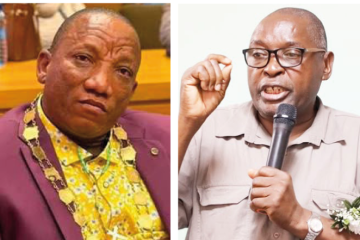
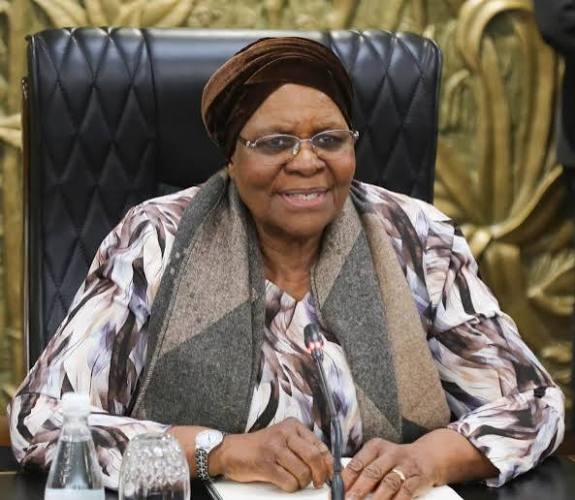
In a statement delivered by Vice President Lucia Witbooi at the official opening of the 27th Annual Meeting of the Council of Traditional Leaders in Otjiwarongo on Monday, Nandi-Ndaitwah said some traditional authorities, headmen and headwomen were selling communal land as if it belonged to them.
“No traditional authority, district headman or head woman directly owns land in Namibia, unless such a person has purchased such land through proper channels as an individual to entitle him or her to sell such land as his or her own property,” she said.
The President warned that the practice must stop before the government institutes criminal cases against those involved.
“This unwelcome and corrupt practice needs to stop before the government institutes criminal cases against such individuals,” she said.
Nandi-Ndaitwah said corruption was undermining the responsibilities of traditional authorities, particularly when disadvantaged community members were denied access to communal land and farming opportunities.
“Corruption is a cancer that eats at the very fabric of society,” she said, urging traditional leaders to work with Communal Land Boards to ensure that land allocations are transparent, fair and compliant with the Communal Land Reform Act.
“Unregulated land allocations, illegal fencing, and disputes over communal boundaries threaten the stability of our rural communities,” she said.
The President referred to Article 100 of the Constitution, which provides that land, water and natural resources belong to the State where they are not otherwise lawfully owned.
She called on traditional authorities to ensure that communal land benefits local communities instead of becoming a source of personal enrichment.
The warning comes alongside concerns over disputes surrounding communal land administration and the need to protect the rights of people who depend on land for farming and other livelihoods.
Nandi-Ndaitwah also raised concern over succession disputes within traditional communities, saying the conflicts were draining state resources and weakening communities.
“Leadership succession disputes drain state resources and weaken our communities, leaving many traditional authorities without recognized leaders for prolonged time,” she said.
She argued that traditional leadership disputes should be handled through customary law and established royal family procedures rather than being turned into political battles.
“Let me be clear, civil courts are not the rightful place to settle traditional disputes,” she said.
The President urged traditional leaders to resist attempts to politicise their offices, warning against treating traditional leadership as a platform for personal interests.
“We must resist these misguided elements in our society who treat our traditional offices as political battlegrounds or personal business ventures,” she said.
She called on leaders to resolve disputes amicably and in accordance with customary protocols to prevent prolonged divisions within communities.
Beyond land and succession disputes, Nandi-Ndaitwah challenged traditional leaders to help government address gender-based violence, substance abuse, motor vehicle accidents and suicide.
“Our nation is facing deep pain, evident in the unacceptably high rates of Gender-Based Violence, Substance Abuse, Motor-Vehicle Accidents and Suicide/Mental Health Challenges,” she said.
She said traditional leaders, because of their close ties to communities, had an important role in working with government and law enforcement agencies to address these challenges.
“I call upon all Traditional Leaders to be active and partner with the government and law enforcement to root out all forms of violence and crises and to help us understand and mitigate these tragedies at the grassroots level,” she said.
Nandi-Ndaitwah further called on traditional authorities to support the Sixth National Development Plan (NDP6), which runs from the 2025/2026 financial year to 2029/2030 and aims to advance economic growth, inclusion and resilience.
She said Namibia needed to move away from exporting raw minerals towards processing and adding value to its natural resources.
“NDP6 aims to shift our economy from exporting raw minerals to local value addition and beneficiation,” she said.
Traditional leaders were urged to support investments in mining, green energy and sustainable tourism, while ensuring that communities benefited from employment opportunities and development projects.
“We want our youth in the regions and in your localities to gain jobs right where they were born,” she said.
She also called for communal land to be made available for agricultural initiatives, sports facilities, vocational training centres and other youth empowerment programmes.
With more than 70% of Namibia’s population being young people, she said traditional authorities had a responsibility to preserve cultural values and prepare young people for future leadership.
The President also warned that Namibia could experience an El Niño weather phenomenon associated with poor rainfall during the upcoming rainy season, urging traditional leaders to prepare their communities for possible climate-related challenges.
She called for responsible management of communal land, water resources and shared grazing areas, particularly as rural communities face drought and other climate shocks.
Nandi-Ndaitwah said traditional leaders remained essential partners in implementing the government’s development agenda and improving the welfare of communities.
“As I conclude, my administration remains fully committed to support our Traditional Authorities as enshrined in our Constitution,” she said, pledging continued support through institutional capacity-building, improved administrative tools and infrastructure.
She urged leaders to emerge from the annual meeting with renewed commitment to unity and development.
“Let us reject tribalism, embrace unity and work tirelessly toward a future of shared prosperity and unyielding hope,” she said.