Patience Makwele
The information and communication technology (ICT) industry has been urged to strengthen partnerships with educational institutions and government to help young Namibians acquire industry-relevant skills and access employment opportunities.
Lysias Haiduwa, deputy director of training and employment in the ministry of education, innovation, youth, sports, arts and culture, said on Thursday that closer cooperation could help young people access internships, mentorship and opportunities to establish technology-based businesses.
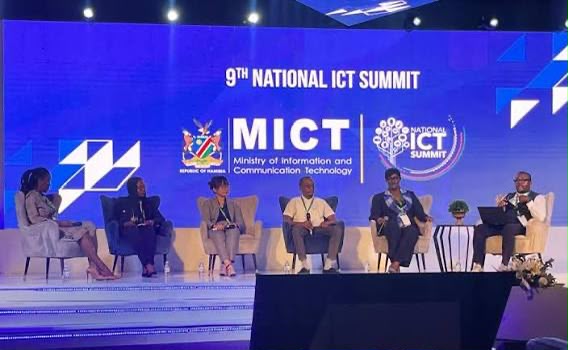
Speaking during the Youth Day sessions of the 9th National ICT Summit in Ongwediva, Haiduwa identified software development, cybersecurity, data analytics, digital marketing and technical support as potential career paths for young Namibians.
“We must equip young people with practical digital skills that respond to the growing needs of the ICT industry,” he said.
Haiduwa said the ICT sector offered opportunities for employment creation, entrepreneurship and economic growth, but stressed the need for cooperation between educational institutions, government and the private sector.
Through such partnerships, he said, young people could gain skills relevant to industry needs, access mentorship and develop innovative solutions that could create jobs for themselves and others.
“Our young people should not only prepare to seek employment but also be empowered to become technology entrepreneurs and job creators,” he said.
The call comes in light of persistent youth unemployment in Namibia. The Namibia Statistics Agency (NSA)’s 2023 Population and Housing Census Labour Force Report recorded a youth unemployment rate of 44.1% among people aged 15 to 34.
Haiduwa said education remained central to preparing young people for a technology-driven economy, as it equips them with the knowledge and competencies to identify challenges, develop ideas and create solutions.
He said digital platforms could expand access to educational resources and connect learners to information beyond the classroom, while technological tools could help teachers deliver more engaging lessons.However, he cautioned that access to technology alone would not prepare young people for the digital economy.
“We must ensure that learners and educators have the necessary digital skills to use these tools effectively, responsibly and safely,” he said.
Haiduwa also called for equitable access to digital resources to ensure learners in rural and underserved communities were not excluded from opportunities in the digital economy.
“Our shared responsibility is to ensure that every learner has a fair opportunity to participate in Namibia’s digital future,” he said.
He further stressed the importance of digital literacy, saying young people needed to understand cybersecurity, privacy, misinformation, cyberbullying and ethical online conduct as they increasingly engage with digital platforms.
ICT deputy minister Wenzel Kavaka said hosting the summit in Ongwediva marked the first time the national ICT gathering had been taken outside Windhoek.
He said the move reflected a commitment to decentralisation and ensuring that technological opportunities were accessible to Namibians regardless of where they lived.
“Innovation does not belong to one city, one institution, or one part of the country. Innovation can emerge from every region, every corner of Namibia and beyond,” Kavaka said.
He encouraged young participants to use the summit to learn, collaborate and develop solutions to the country’s challenges, while urging industry partners and established institutions to mentor, support and invest in promising young innovators.
Haiduwa said sustained partnerships between the education sector and the ICT industry were essential to building a skilled, innovative and competitive generation capable of contributing to Namibia’s digital economy.
“Through sustained partnerships, we can build a skilled, innovative and competitive generation of young Namibians who will contribute to the growth of our digital economy,” he said.