CHAMWE KAIRA
Namibia has not been included among 60 economies investigated by the United States over concerns that they do not prohibit or effectively enforce bans on the importation of goods produced with forced labour, according to a US presidential memorandum issued on 23 July.
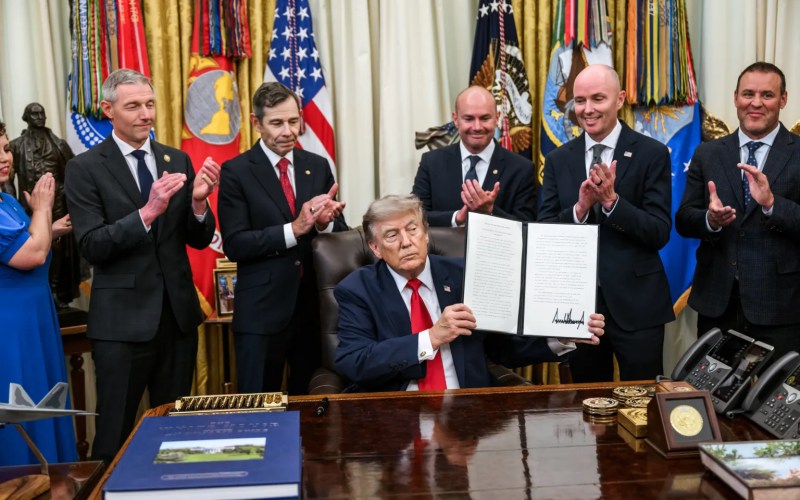
U.S president Donald Trump’s new memorandum, addressed to the United States Trade Representative, outlines the outcome of investigations conducted under Section 301 of the U.S. Trade Act of 1974.
The investigations examined whether the targeted economies had failed to impose or effectively enforce prohibitions on imports of goods made wholly or partly with forced labour, and whether such failures burden or restrict US commerce.
Namibia is not among the economies that fall into the category of countries subject to a proposed 12.5% ad valorem tariff on goods exported to the United States, after not being listed among those eligible for the lower 10% tariff rate or other preferential treatment.
According to the memorandum, the office of the United States trade representative initiated the investigations on 12 March 2026, covering economies across Africa, Asia, Europe and the Americas. Several African countries included are Algeria, Angola, Egypt, Libya, Morocco, Nigeria and South Africa.
The memorandum states that on 2 June 2026 the US trade representative determined that the acts, policies and practices of all 60 investigated economies were unreasonable and burdened or restricted U.S. commerce, making them actionable under Section 301.
Following public consultations, which attracted more than 1 600 written submissions and testimony from over 100 witnesses, the US administration decided to proceed with tariffs while allowing exemptions for selected products where tariffs could disrupt supply chains, harm the U.S. economy or where imports could not readily be sourced elsewhere.
The memorandum also notes that several countries reduced their proposed tariff rates after introducing forced labour import prohibitions or making commitments to do so during the consultation process.
These countries include Cambodia, Guatemala, Honduras, India, Jordan, Sri Lanka and Trinidad and Tobago.
The United States said the measures are intended to encourage trading partners to adopt and effectively enforce prohibitions on imports produced with forced labour, while reserving the right to modify or terminate tariffs if countries address the concerns identified during the investigations.
In April 2025, Trump also imposed tariffs on a number of countries, which saw 21% tariffs on goods (mainly diamonds) from Namibia. However, this move was found to be illegal and struck down by the US Supreme Court.