Patience Makwele
Unregistered welfare groups in the Zambezi region risk missing out on funding and donor support as social workers push community organisations to formalise their operations.
The warning comes as grassroots groups continue providing food, clothing, school uniforms and other assistance to vulnerable people, with registration seen as a key step towards strengthening their credibility and accountability.
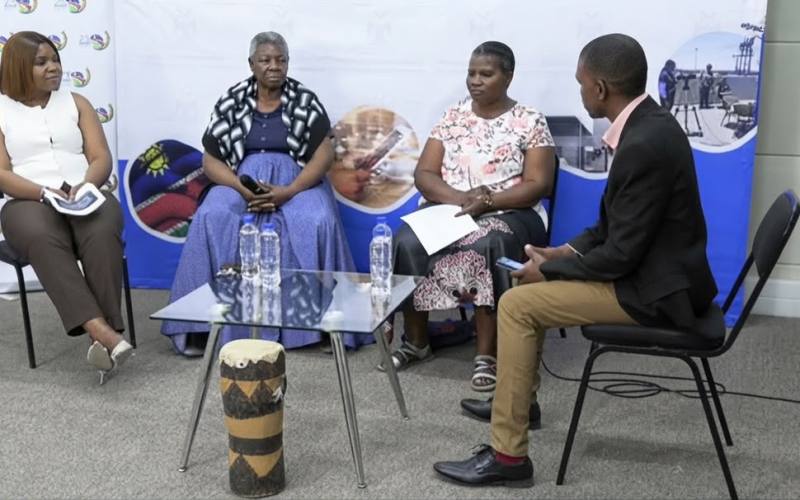
The issue was raised during an information-sharing session in the region involving welfare organisations, social services and the ministry of information and communication technology (MICT).
Senior social worker at Katima Mulilo State Hospital, Masiye Muyalapabbi, said registration gives welfare organisations a formal identity and strengthens their position when approaching businesses and potential donors for support.
“Government alone cannot do it all,” Muyalapabbi said, stressing the role of community organisations in complementing government social welfare services.
She said formalisation also allows welfare organisations to operate within an established regulatory framework and provides greater accountability when dealing with vulnerable beneficiaries and funds.
Welfare organisations in Namibia are regulated under the National Welfare Act, 1965 (Act 79 of 1965), as amended.
Ministry of health and social services guidelines require organisations seeking registration to have a constitution setting out their objectives, fundraising methods and management structure.
Their management body must have at least seven members, including a chairperson, vice-chairperson, secretary and treasurer.
Registered organisations are also required to submit annual reports and audited financial statements and are subject to inspections by regional welfare authorities.
Muyalapabbi said these requirements help protect beneficiaries and build public confidence in organisations providing social services.
Among the organisations operating in the region is Hope for Life, founded by Martha Nzwile to support elderly people, including those who are neglected or abused.
Nzwile said her organisation has encountered cases where elderly people’s social grants are taken by relatives, leaving them without money for basic needs.
The organisation conducts outreach in Makaravani, Masambo, Wayawaya, Bukalo, Ngoma and Impalila, assisting elderly people with grants, healthcare, food, clothing, mattresses and blankets.
“Our parents are our libraries. Without them we can’t know anything,” Nzwile said.
Mainstream Foundation, meanwhile, works with children with disabilities, providing education, rehabilitation, life skills and support to families.
Founder and director Sylvia Chidunka said the organisation also runs parent support groups and income-generating initiatives, including a garden project for young people with disabilities.
“Disability does not mean inability,” Chidunka said.
She said financial constraints continue to limit the organisation’s work, particularly its ability to secure educational materials, staff support, seeds, water and other operational resources.
Muyalapabbi also highlighted organisations such as the Zambezi Girl Foundation and Children of Zion, which provide support and shelter to vulnerable children.
The registration process requires organisations to meet formal requirements before being recognised, with applications considered through regional welfare structures and ultimately the National Welfare Board.
For the social workers, formalisation is therefore more than an administrative requirement as it is a way for community organisations to strengthen accountability, build donor confidence and sustain services for vulnerable people.